Decoding Reward Tier Progressions Through Varied Transaction Pathways in App-Based Gaming Environments
Willa Schmid · Jul 20, 2026
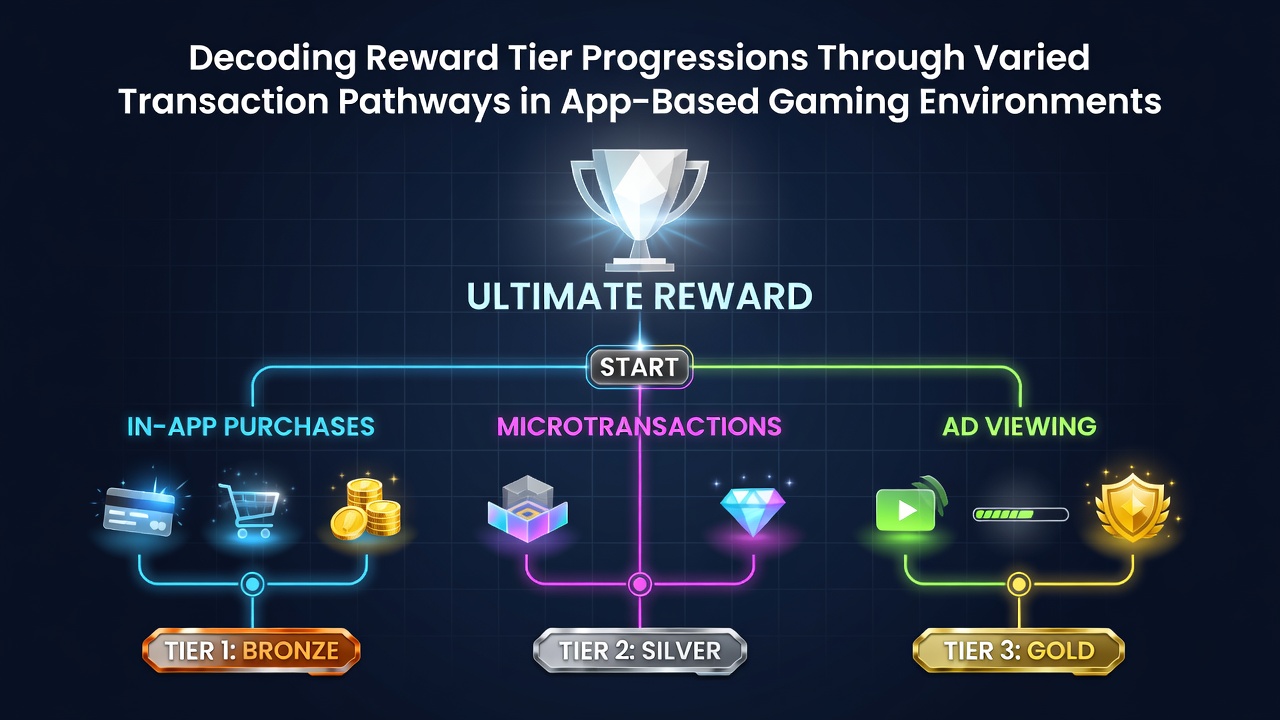
Decoding Reward Tier Progressions Through Varied Transaction Pathways in App-Based Gaming Environments
App-based gaming environments rely on structured reward tiers that advance through specific transaction pathways, and observers note distinct patterns emerge when users select different payment methods such as credit cards, digital wallets, or bank transfers. Data from industry reports indicate that these choices influence the speed and criteria for moving between levels, with certain pathways accelerating point accumulation while others impose additional verification steps that slow progression.
Transaction Pathways and Their Structural Impact
Research from regulatory bodies across multiple regions shows that credit card transactions often integrate directly with loyalty engines in mobile platforms, granting immediate tier points upon successful processing, whereas e-wallet routes sometimes require an extra confirmation layer before points register. Those who've examined platform architectures find that bank transfers, though slower to clear, frequently bypass intermediary fees that deduct from total spend calculations, allowing full amounts to count toward advancement thresholds.
Figures released in July 2026 by the Nevada Gaming Control Board highlight how mobile operators adjust tier algorithms based on transaction volume, with direct debit methods producing steadier progression curves compared to one-time card purchases that trigger bonus multipliers only during promotional windows. Experts have observed that cryptocurrency options, when supported, create parallel tracks where volatility in exchange rates can either boost or reduce effective point values depending on settlement timing.
Layered Incentives Across Payment Types
Studies conducted by the American Gaming Association reveal correlations between preferred transaction routes and tier stability, as users who consistently employ the same method tend to hit milestones faster due to accumulated loyalty multipliers that stack over consecutive months. Platforms track these habits through engagement metrics that feed into reward calculations, and data indicates that switching pathways mid-cycle often resets partial progress unless operators maintain unified ledgers across methods.
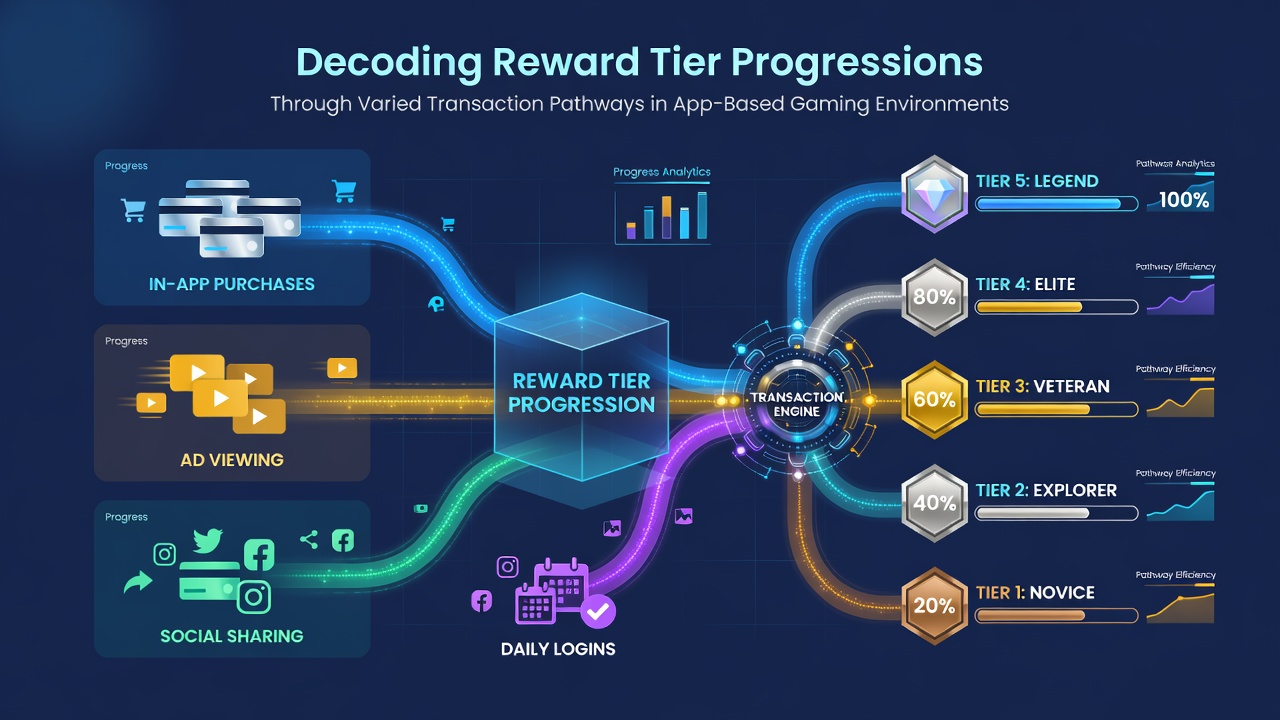
One analysis of Australian market data demonstrates that integrated wallet solutions within gaming apps reduce friction in point tracking, resulting in smoother tier climbs for participants who route all activity through a single digital channel. In contrast, users who alternate between multiple external processors encounter occasional delays in synchronization, which can extend the time required to unlock higher benefits such as enhanced cashback rates or priority event access.
Regional Variations in Pathway Mechanics
Regulatory frameworks in Canada and parts of Europe impose documentation requirements that affect how transaction records translate into tier points, with authorities like the Alcohol and Gaming Commission of Ontario requiring clear audit trails that platforms must incorporate into their progression systems. These mandates lead developers to build verification checkpoints that differ by payment category, and evidence suggests bank-linked transfers receive priority processing in some jurisdictions because of inherent traceability features.
Platform operators respond by publishing pathway-specific guides that outline exact point conversion rates, yet researchers note that real-time adjustments occur during high-traffic periods to balance server loads across different transaction processors. Such modifications can temporarily alter advancement speeds without changing underlying tier structures.
Conclusion
Transaction pathways in app-based gaming continue to shape reward tier progressions through measurable differences in speed, verification, and point allocation, with ongoing data collection from sources like the Malta Gaming Authority providing benchmarks for how these systems evolve. Patterns identified in July 2026 reports underscore the importance of consistent payment selection for users aiming to optimize their advancement, while platform updates maintain alignment with regional compliance standards across varied markets.