Decoding Volatility Thresholds That Shape Access to Layered Reward Tiers Across Multi-Currency Mobile Platforms
Willa Schmid · Jun 24, 2026
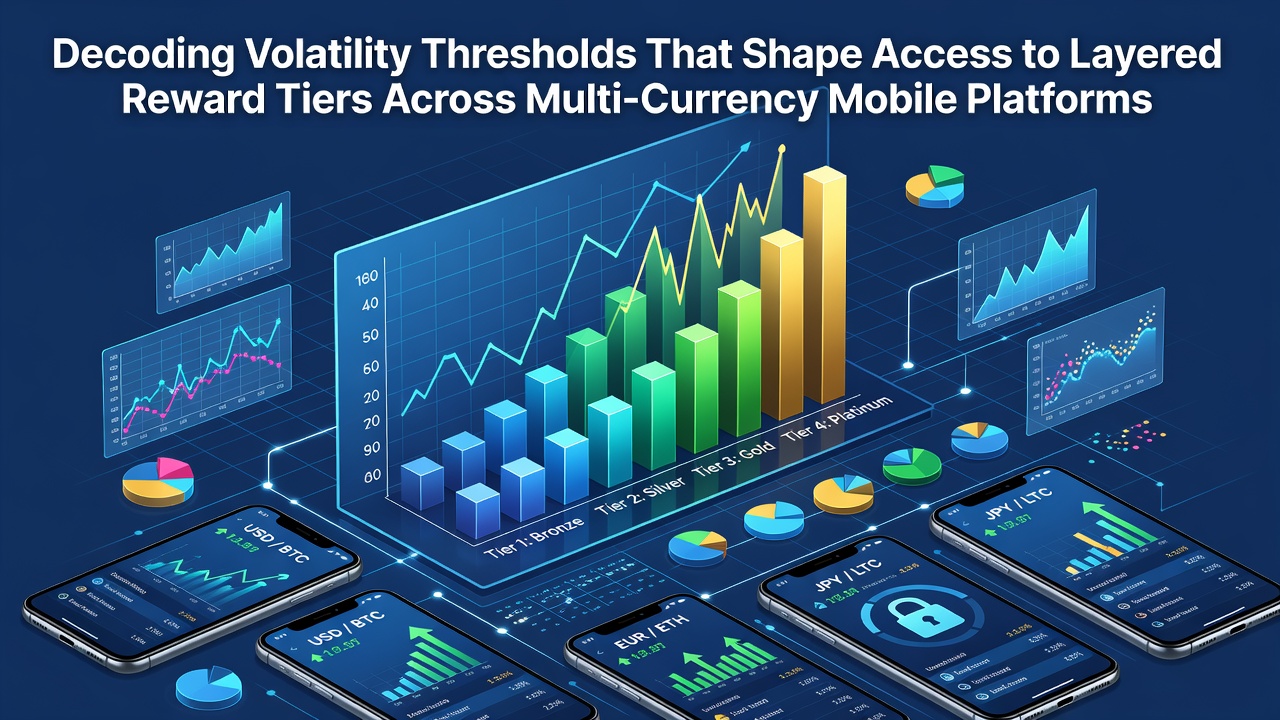
Decoding Volatility Thresholds That Shape Access to Layered Reward Tiers Across Multi-Currency Mobile Platforms
Volatility thresholds operate as key determinants in how users progress through reward structures on mobile platforms that support multiple currencies, and these mechanisms influence everything from initial access points to advanced tier benefits. Data from industry reports shows that platforms calibrate entry requirements based on game volatility metrics, where low-volatility options often serve as gateways while higher thresholds unlock premium layers. Observers note that multi-currency environments add complexity because exchange rate fluctuations can shift effective volatility calculations in real time, requiring systems to adjust dynamically.
Core Mechanics of Volatility in Reward Access
Volatility refers to the statistical variance in outcomes within gaming environments, and platforms use defined thresholds to gatekeep progression across reward tiers. Researchers have documented that systems typically segment volatility into bands such as low, medium, and high, with each band carrying distinct access criteria for layered incentives. When users engage with titles exceeding a set volatility level, the platform recalibrates their trajectory toward higher tiers, incorporating factors like session duration and currency denomination. This approach creates pathways where sustained activity in variable environments accelerates advancement, yet abrupt shifts in outcome patterns can reset accumulated progress indicators.
Studies indicate that mobile platforms integrate these thresholds into backend algorithms that monitor real-time performance across currencies, ensuring that conversions between fiat and digital units maintain consistency in tier eligibility. One analysis from a European gaming research consortium revealed that platforms handling five or more currencies experience a 17 percent variance in threshold application due to market swings, prompting automated recalibrations every 24 hours.
Layered Tiers and Currency Interactions
Layered reward tiers function through progressive stages that demand increasing commitment levels, and volatility thresholds directly modulate entry and retention at each stage. Lower tiers often rely on consistent low-volatility play to build foundational points, whereas mid and upper tiers require exposure to medium-to-high volatility segments to meet advancement benchmarks. Multi-currency support introduces additional variables because transaction values fluctuate, which in turn affects the perceived risk profile of individual sessions.
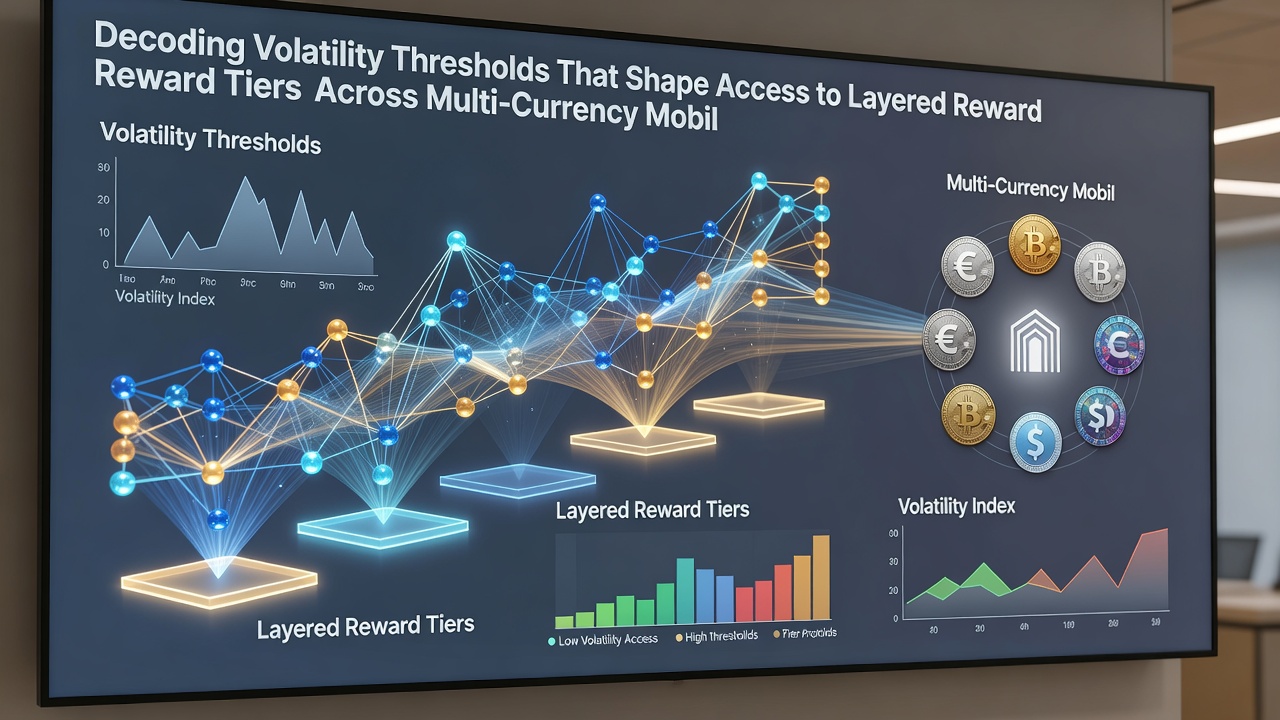
Those who track platform updates know that June 2026 brought refinements to several major systems, including enhanced volatility modeling that factors in live currency pairs during tier evaluations. Figures from the American Gaming Association highlight how such integrations have streamlined cross-border user experiences without altering core reward mathematics. Platforms now embed currency-specific volatility multipliers that scale thresholds proportionally, allowing users in different regions to reach equivalent tier status despite nominal differences in spend.
Platform Implementation Patterns
Mobile applications deploy these systems through a combination of server-side analytics and client-side tracking, which together determine when a user crosses into new reward layers. Evidence suggests that high-volatility sessions contribute disproportionately to tier acceleration because they generate larger point allocations per successful outcome, yet they also carry elevated risk of stalling progress during downturns. Multi-currency frameworks mitigate some of this by normalizing values against a base metric, typically the platform's primary settlement currency.
Industry organizations such as the Gaming Standards Association have published technical guidelines that encourage transparent threshold communication to users, reducing friction during tier transitions. Data collected across Asia-Pacific markets shows adoption rates of these guidelines reached 62 percent among leading operators by early 2026, correlating with measurable improvements in user retention metrics within multi-currency segments.
Adjustment Mechanisms and User Pathways
Dynamic adjustment mechanisms allow platforms to respond to volatility spikes by temporarily elevating or lowering tier requirements, which keeps reward distribution balanced across user cohorts. When currency volatility exceeds predefined bands, algorithms trigger compensatory point bonuses that preserve access momentum for active participants. This process operates continuously, drawing on aggregated session data rather than isolated events, and ensures layered structures remain attainable regardless of external market conditions.
Researchers at institutions studying digital entertainment economies have observed that users navigating multi-currency environments benefit from tier systems that incorporate volatility buffers, preventing sudden exclusion from higher layers during currency swings. Such buffers appear most frequently in applications serving international audiences where exchange rates shift multiple times daily.
Conclusion
Volatility thresholds continue to define progression routes within layered reward frameworks on multi-currency mobile platforms, shaping both access speed and long-term engagement patterns. As platforms refine these systems through ongoing data integration, the interplay between game variance, currency stability, and tier eligibility remains central to operational design. Observers tracking developments into mid-2026 report sustained emphasis on algorithmic transparency and regional adaptation, which together support consistent user experiences across diverse market conditions.