Dynamics of Payout Rates, Loyalty Structures, and Payment Choices in Mobile Entertainment Systems
Leon Sullivan · May 20, 2026
Dynamics of Payout Rates, Loyalty Structures, and Payment Choices in Mobile Entertainment Systems
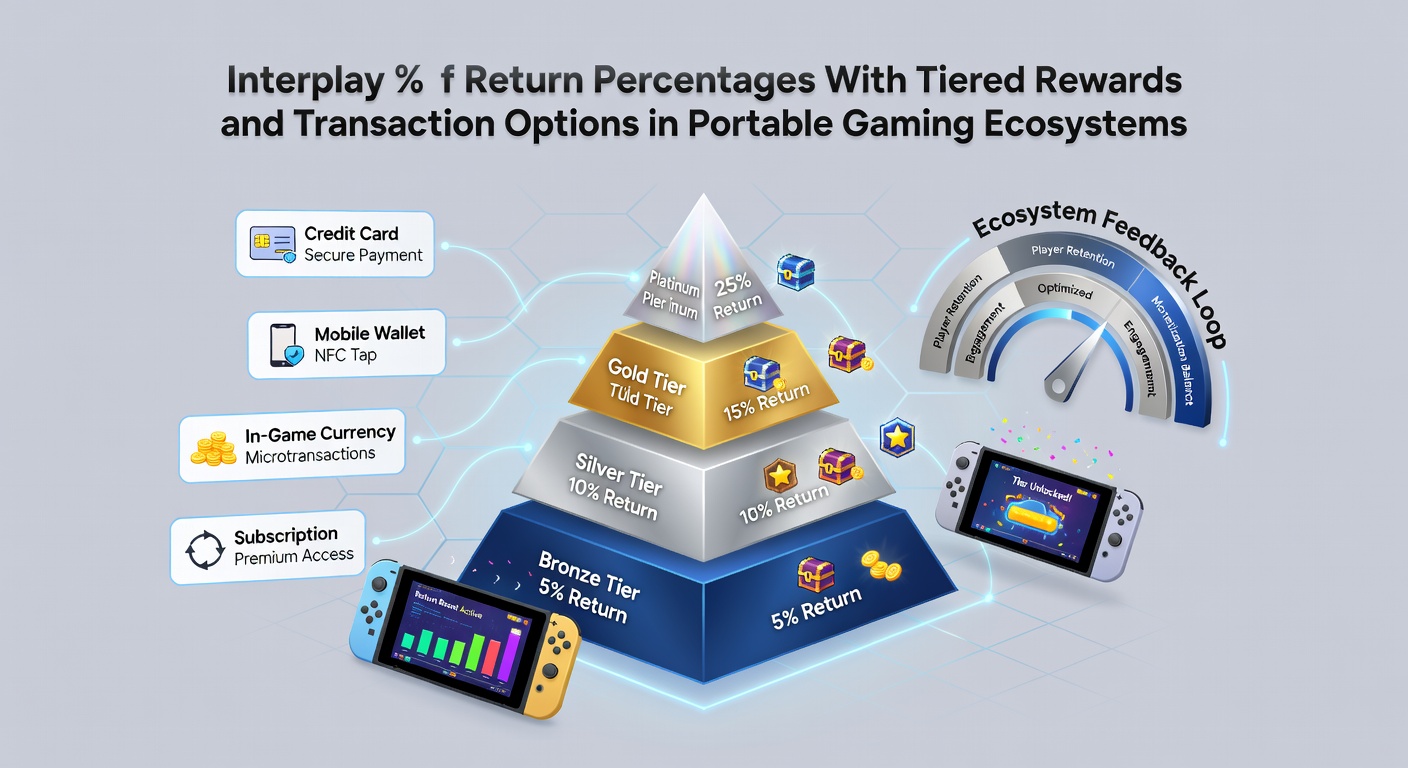
Portable gaming ecosystems have grown rapidly over the past decade, and observers note how return percentages interact with tiered rewards alongside transaction options to shape player engagement across devices. Data from industry analyses reveal that return percentages, often expressed as RTP figures, serve as foundational metrics that developers adjust to balance game sustainability with user retention, while tiered reward systems build on these percentages by offering escalating benefits as users progress through levels of activity.
Researchers have documented clear connections between these elements in portable formats where seamless transactions determine how quickly participants access rewards or convert winnings into usable balances. Studies from academic institutions show that higher RTP values tend to pair with more generous tier progressions, creating feedback loops that encourage continued play on smartphones and tablets. In May 2026, reports highlighted shifts in mobile transaction speeds that further amplified these interactions, allowing platforms to process payments in under two seconds for verified users and thereby accelerating reward unlocks tied directly to RTP performance.
Core Mechanics of Return Percentages
Return percentages function as statistical measures that indicate the proportion of wagers returned to players over extended periods, and experts explain that these figures operate within algorithmic frameworks designed for portable ecosystems. Figures reveal typical RTP ranges between 94 and 98 percent in many mobile titles, with variations arising from game type, regulatory requirements, and platform partnerships. Those who've examined extensive datasets find that portable games often calibrate RTP dynamically based on user location and device capabilities, ensuring compliance while maintaining competitive appeal.
Transaction options influence RTP visibility because instant payment methods provide immediate feedback on percentage outcomes, whereas slower options delay reward calculations and alter how players perceive value within tiered structures. According to research from the University of Nevada's gaming studies program, platforms that integrate fast transaction gateways see higher alignment between advertised RTP and actual tier advancement rates.
Tiered Rewards and Their Integration
Tiered reward frameworks organize benefits into progressive categories, starting from basic access and advancing to premium perks such as exclusive content, bonus multipliers, and priority support. Observers note that these tiers frequently incorporate RTP modifiers, where elevated levels grant temporary boosts to return percentages or additional spins that compound the base rate. Evidence suggests developers achieve this integration through backend systems that track cumulative activity and adjust rewards in real time across portable networks.
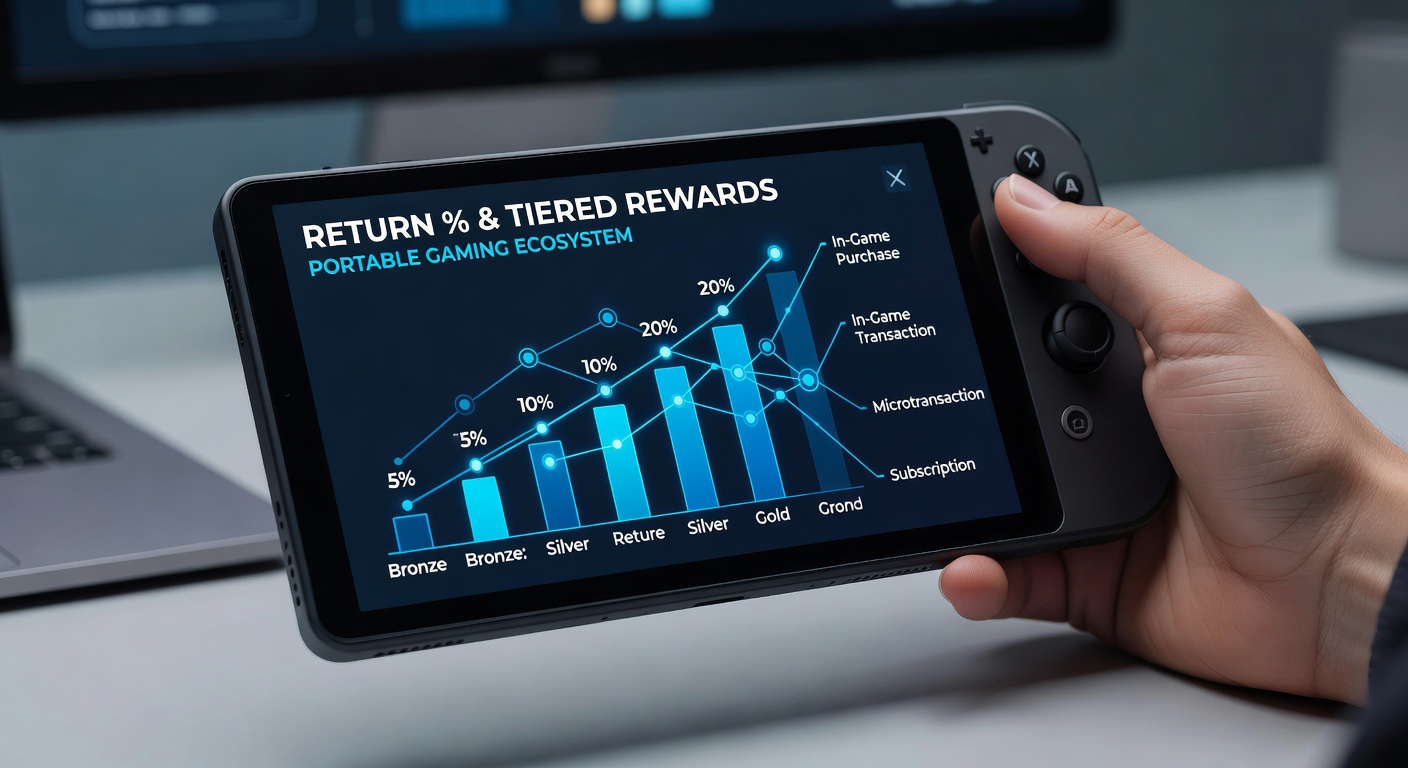
But here's the thing: transaction flexibility determines the pace at which users climb tiers, since deposit and withdrawal speeds affect how swiftly points accumulate toward the next reward bracket. One study revealed that users employing integrated wallet solutions advanced through tiers 35 percent faster than those relying on traditional card processing, primarily because reduced friction allowed more frequent engagement cycles.
Transaction Options Shaping the Landscape
Payment methods in portable gaming range from credit cards and digital wallets to cryptocurrency transfers and carrier billing, each carrying distinct impacts on how return percentages translate into tangible rewards. Data indicates that platforms offering multiple transaction pathways experience broader user bases because participants select options matching their preferred speed and security profiles. In regions such as Australia and Canada, regulatory bodies have encouraged diversified payment ecosystems that support both traditional and emerging methods without compromising RTP transparency.
What's interesting is the way instant transaction capabilities create tighter loops between RTP outcomes and tier benefits, allowing players to reinvest returns immediately and accelerate progression. Research indicates that systems supporting near-instant processing report lower churn rates, as users maintain momentum within their current reward tier rather than pausing for verification delays.
Interplay Across Ecosystems
The interplay becomes evident when examining how adjustments in one area ripple through others: an increase in base RTP might coincide with streamlined transaction thresholds that unlock higher tiers sooner, or conversely, complex payment verifications might dampen the perceived value of elevated return percentages. Industry organizations like the Interactive Games and Entertainment Association have compiled reports showing these patterns across global mobile platforms, noting that balanced designs yield sustained engagement metrics.
Those who've analyzed longitudinal data observe that portable ecosystems benefit when tiered rewards explicitly reference transaction history alongside RTP contributions, fostering a cohesive experience. In May 2026, updated platform analytics demonstrated that games employing unified dashboards for these three components achieved measurable gains in session duration and cross-device continuity.
Conclusion
Portable gaming continues to evolve through the measured coordination of return percentages, tiered rewards, and transaction options, with available evidence pointing to increasingly sophisticated integrations that respond to user behavior patterns. Regulatory developments and technological advancements keep these relationships in flux, yet core principles of transparency and accessibility remain central to ecosystem stability.