Examining Cryptocurrency Integration Within Loyalty Frameworks of Mobile Gaming Platforms
Sofia Schwarz · Jun 5, 2026
Examining Cryptocurrency Integration Within Loyalty Frameworks of Mobile Gaming Platforms
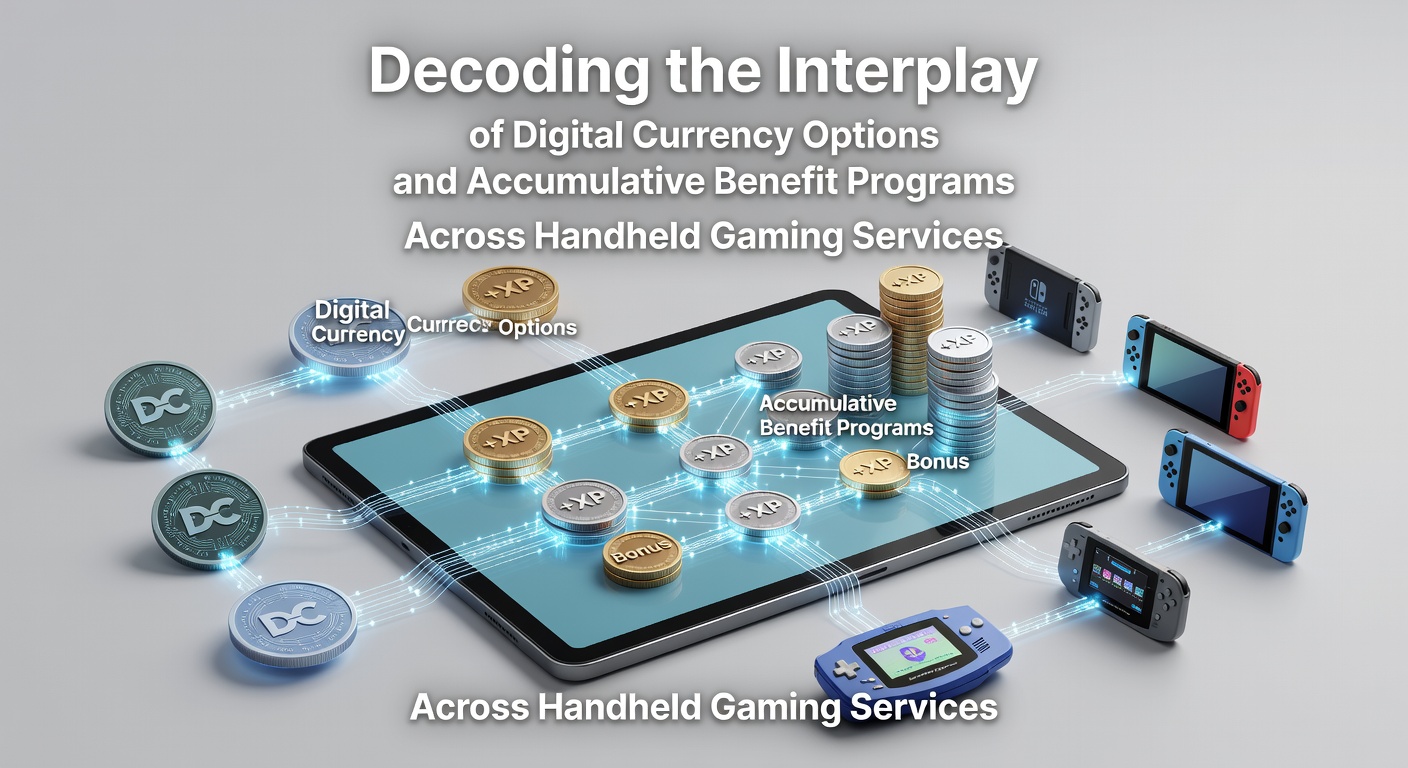
Digital currency options have expanded rapidly in handheld gaming services since the mid-2020s, with developers incorporating cryptocurrencies and tokenized assets into payment flows while accumulative benefit programs track user activity across multiple titles and sessions. Research from the International Game Developers Association indicates that over 35 percent of mobile gaming platforms in 2025 offered at least one crypto-based transaction method, and this figure rose further when platforms updated their systems in early 2026. Those who've studied this space note that integration often occurs through wallet APIs that allow direct conversion of in-game earnings into digital assets, which users then apply toward premium features or external transfers.
Core Mechanics of Digital Currency in Portable Games
Handheld gaming services handle digital currencies through secure ledger systems that record each transaction without traditional banking intermediaries, and this approach reduces processing delays from days to minutes in many cases. Developers typically embed blockchain verification steps into the app backend so that purchases of virtual items or battle passes occur instantly once the network confirms the transfer. Data released in June 2026 by the Australian Communications and Media Authority shows that transaction volumes involving stablecoins in gaming apps increased 48 percent year-over-year, largely because these coins maintain price stability compared with more volatile tokens. Observers note that players often receive partial refunds or bonus credits when they use digital currencies during promotional windows, creating an additional layer of value accumulation within the same session.
Accumulative Benefit Structures and Their Link to Crypto
Accumulative benefit programs in mobile gaming operate on tiered point systems that reward consistent playtime, social sharing, and in-app purchases, and these programs now frequently convert points into digital currency holdings. When users reach higher tiers they unlock multipliers that apply to both fiat and crypto rewards, allowing the same activity to generate parallel benefit streams. Experts at the University of Nevada's gaming research center have documented how several major platforms automatically allocate a percentage of loyalty points into tokenized rewards that can be traded on secondary markets or redeemed inside partner applications. This dual-track model means a player completing daily challenges might earn both experience boosts and a small allocation of platform-specific tokens, which later convert into broader ecosystem credits.
Platforms also tie benefit expiration rules to crypto wallet activity so that dormant accounts lose points unless the user maintains periodic digital currency transactions. Such mechanics encourage ongoing engagement while giving developers clearer data on user retention patterns across regions. Figures from the Singapore Infocomm Media Development Authority reveal that mobile titles incorporating crypto-linked loyalty tiers saw average session lengths extend by 22 minutes compared with titles using only traditional reward systems during the first half of 2026.
Regional Variations in Adoption and Regulation
Adoption rates differ sharply by region because regulatory frameworks shape how handheld services can combine digital currencies with benefit programs. In parts of Asia, developers face fewer restrictions on token issuance, leading to faster rollout of hybrid reward structures that blend gameplay achievements with crypto dividends. European platforms, by contrast, must align with stricter data protection and financial conduct rules, which often results in slower feature launches but more transparent disclosure of conversion rates between points and digital assets. Canadian regulatory filings from spring 2026 indicate that several Ontario-licensed mobile gaming operators began testing crypto rewards limited to in-app use only, avoiding external transfers until further guidance emerges.
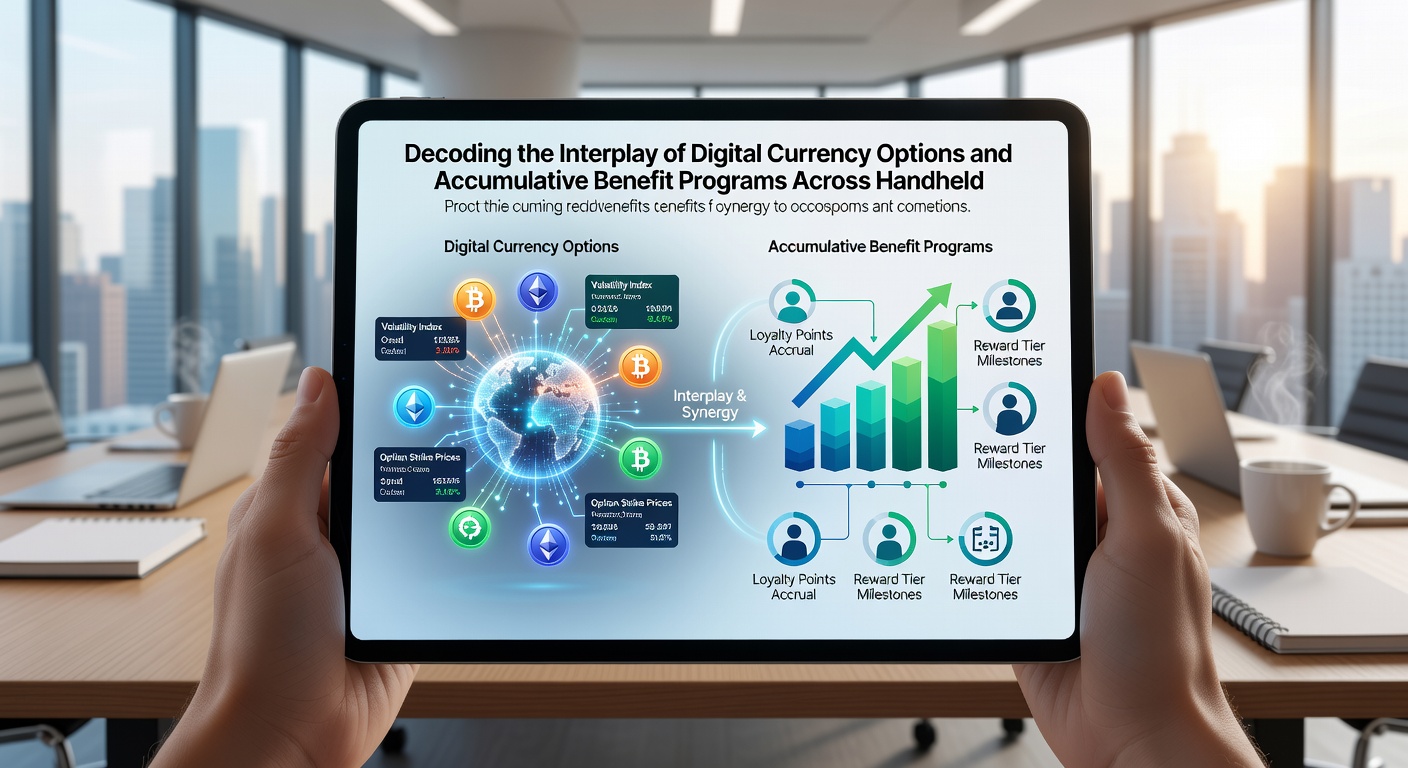
Cross-border play introduces additional complexity because currency conversion fees and tax reporting requirements vary, prompting some services to offer region-specific wallets that automatically handle compliance steps. Researchers tracking these patterns have observed that users in markets with favorable crypto tax treatment tend to keep larger balances inside gaming ecosystems rather than cashing out immediately.
Technical Challenges and Security Considerations
Security remains a primary concern when digital currencies intersect with accumulative benefit programs, since any breach could expose both financial holdings and detailed play histories. Developers address this through multi-signature wallet requirements and regular third-party audits that verify smart contract integrity before new reward tiers launch. Handheld services also implement device-level authentication that ties wallet access to biometric checks, reducing the risk of unauthorized redemptions even if login credentials are compromised. Industry reports compiled by the European Gaming and Betting Association highlight that platforms using these layered protections experienced 60 percent fewer account takeover incidents in 2025 compared with those relying on password-only systems.
Future Trajectories Through Mid-2026 and Beyond
Continued evolution appears likely as handheld gaming services refine how digital currency options feed into accumulative benefit programs. Several operators announced plans in June 2026 to introduce cross-title reward pools where points earned in one game convert into crypto assets usable across an entire publisher portfolio. These initiatives require robust interoperability standards between different blockchain networks, and early tests show reduced friction for players who switch between genres without losing accumulated value. Observers expect further regulatory clarity in multiple jurisdictions to accelerate or constrain these developments depending on how consumer protection priorities align with innovation goals.
Conclusion
The interplay between digital currency options and accumulative benefit programs in handheld gaming services continues to reshape how players interact with mobile platforms, with data indicating steady growth in adoption across diverse regulatory environments. Technical safeguards and regional adaptations remain central to sustainable expansion, while ongoing platform updates scheduled through late 2026 will determine the next phase of integration.