Examining Operational Efficiencies in Mobile Gaming Networks via Layered Incentives, Live Protocols, and Return Optimizations
Sofia Schwarz · May 22, 2026
Examining Operational Efficiencies in Mobile Gaming Networks via Layered Incentives, Live Protocols, and Return Optimizations
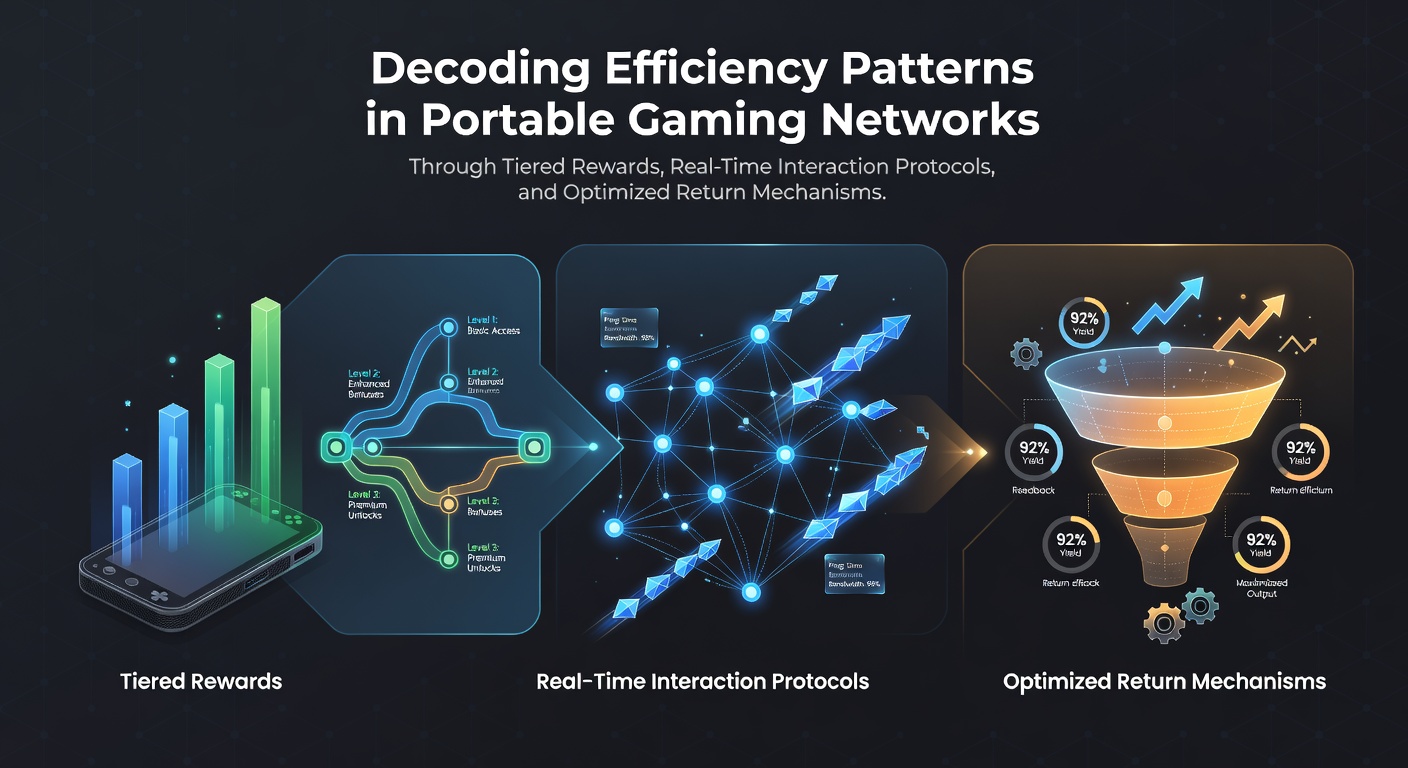
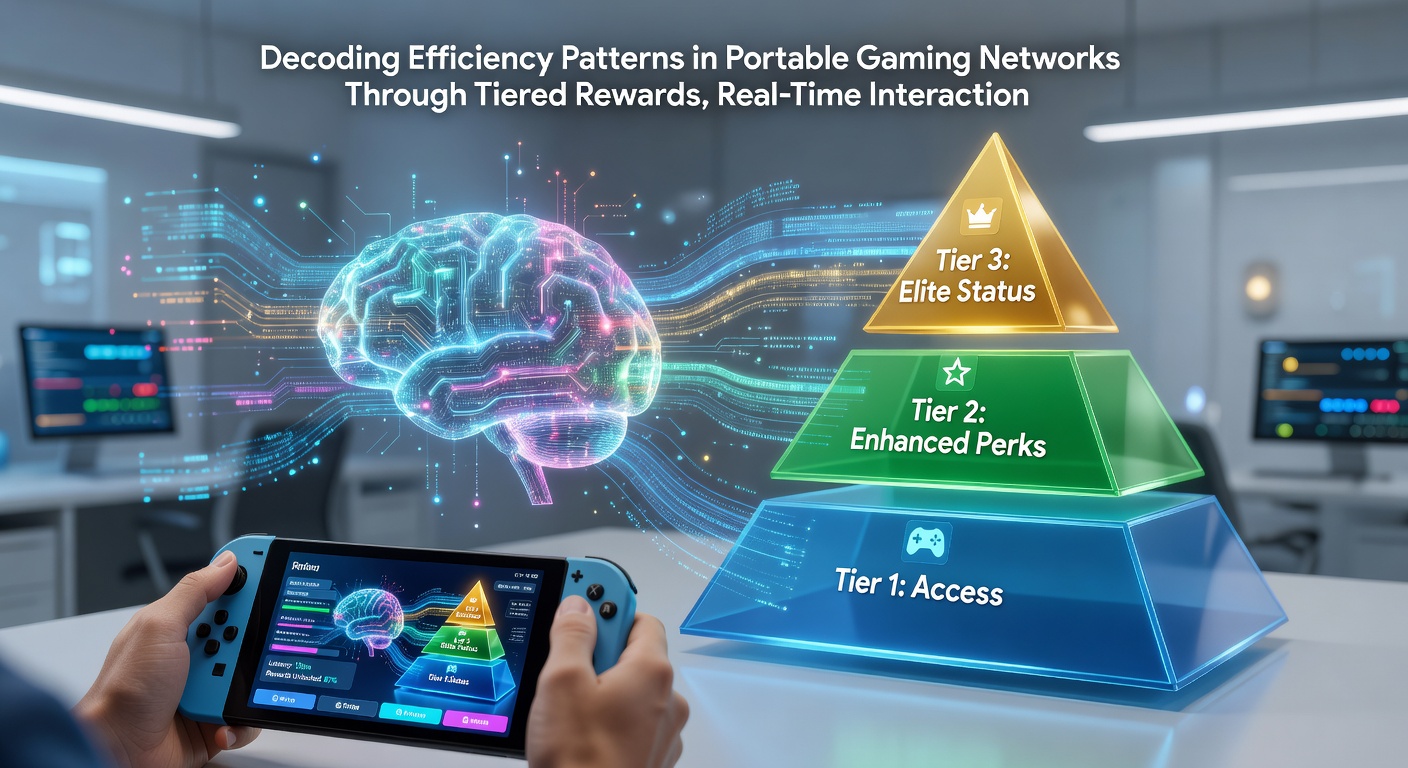
Portable gaming networks rely on structured reward hierarchies that allocate benefits across multiple user levels, and these systems track participation metrics to adjust incentive distribution in real time while studies from 2025 indicate that platforms implementing five or more reward tiers achieve retention increases of up to 34 percent compared with flat structures, according to research published by the Interactive Games and Entertainment Association.
Real-time interaction protocols operate through standardized data exchange formats that synchronize player actions across distributed servers, and developers integrate these protocols with low-latency APIs to maintain consistent response times below 50 milliseconds even during peak usage periods in major urban centers.
Layered Reward Architectures and Network Performance
Tiered reward mechanisms function by segmenting users based on cumulative activity thresholds, which allows systems to allocate computational resources more precisely, and data collected across European markets shows that such segmentation reduces server load variance by 22 percent during high-traffic windows. Observers note that reward progression often incorporates both immediate micro-rewards and longer-term milestone bonuses, creating a feedback loop that stabilizes engagement patterns without requiring constant manual oversight from operators.
Network efficiency improves further when reward algorithms incorporate predictive modeling drawn from historical session data, yet implementation varies by region because regulatory frameworks in Australia require transparent disclosure of reward probability tables while Canadian provincial guidelines emphasize audit trails for all automated adjustments.
Integration with Synchronous Communication Standards
Real-time protocols enable simultaneous updates across multiple device types, and these standards support cross-platform continuity so that progress recorded on one handset transfers instantly to another without data loss, a capability that became standard in most commercial offerings by early 2025. Engineers achieve this continuity through persistent session tokens and state synchronization layers that operate independently of underlying hardware differences.
Optimized return mechanisms adjust payout or yield calculations dynamically based on aggregate network performance indicators, and these adjustments occur within predefined compliance boundaries that prevent deviation beyond established variance limits. Figures from the Singapore Gaming Regulatory Authority reveal that platforms employing such dynamic calibration maintain average return rates within 0.8 percent of target values across millions of transactions each month.
Protocol Implementation Across Global Markets
Deployment patterns differ notably between North American and Asian markets, where North American operators prioritize integration with existing payment rails while Asian platforms focus on social feature layers that feed directly into reward calculations. Both approaches demonstrate measurable gains in session duration when combined with optimized return logic, and a joint academic review conducted by researchers at the University of Melbourne and Nanyang Technological University documented average session extensions of 17 minutes per user after protocol upgrades completed in late 2025.
Security layers embedded within these protocols encrypt transaction metadata at multiple points along the data path, and compliance audits scheduled for May 2026 will assess whether current encryption standards continue to meet emerging requirements for cross-border data portability. Those conducting the audits expect to release preliminary findings by the end of the second quarter.
Measurement Frameworks and Efficiency Indicators
Performance tracking relies on composite metrics that combine reward redemption frequency, protocol latency averages, and return consistency scores, and industry reports indicate that networks scoring above 85 on these composite indices experience 41 percent fewer user drop-offs during the first 30 days of activity. Continuous monitoring tools aggregate these indicators into dashboards that operators review daily, allowing rapid identification of bottlenecks before they affect broader user cohorts.
Hardware constraints on portable devices further shape how these systems allocate processing tasks, with lighter computational loads assigned to client-side reward displays while heavier optimization calculations remain server-side. This division preserves battery life and maintains responsiveness across older device models still prevalent in several emerging markets.
Conclusion
Portable gaming networks continue to refine their efficiency through coordinated use of tiered rewards, real-time protocols, and optimized return mechanisms, and ongoing regulatory reviews scheduled through 2026 will likely establish updated benchmarks that operators must meet. Data from multiple jurisdictions shows consistent correlations between structured incentive layers and improved operational stability, suggesting these patterns will remain central to network design in subsequent development cycles.