Interconnections of Reward Disbursements, Risk Fluctuations, and Progressive Access Levels in Mobile Betting Networks
Willa Schmid · Aug 7, 2026
Interconnections of Reward Disbursements, Risk Fluctuations, and Progressive Access Levels in Mobile Betting Networks
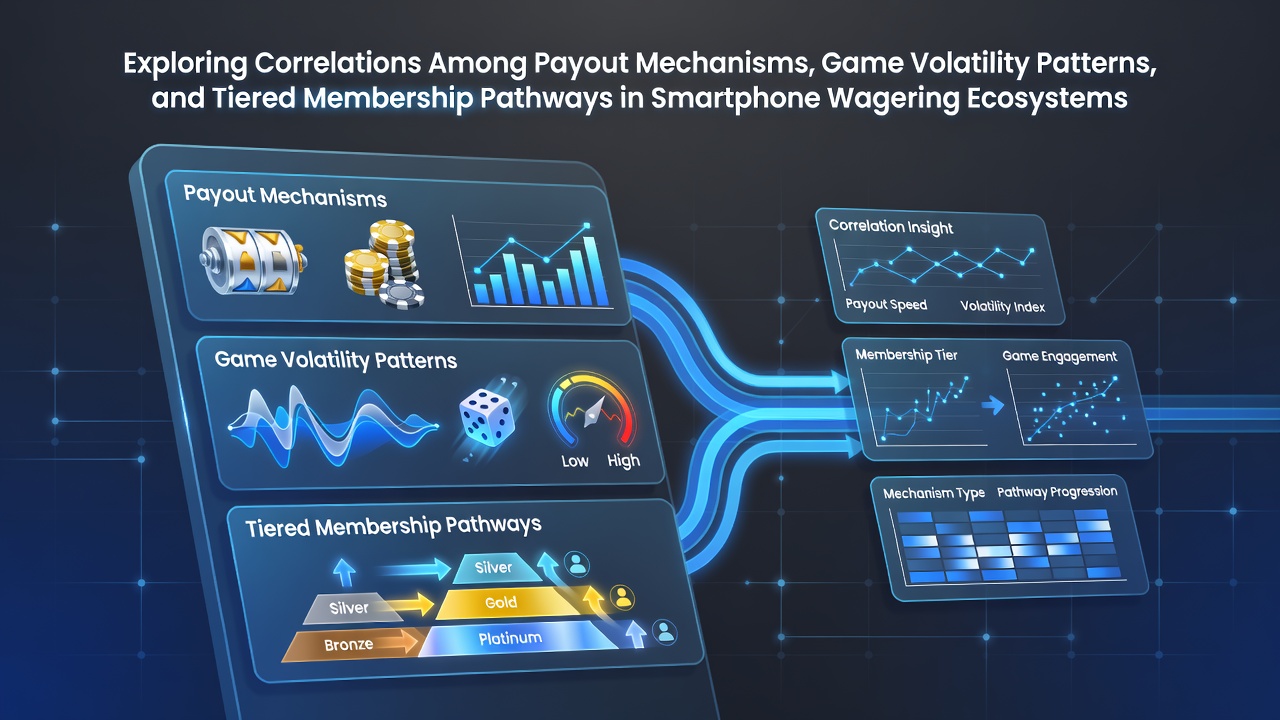
Smartphone wagering platforms continue to expand their technical frameworks in 2026, and observers note how payout mechanisms connect directly with game volatility patterns and tiered membership pathways that shape user progression. Data from regulatory filings show that these elements operate together rather than in isolation, creating measurable effects on transaction speeds and engagement metrics across major applications. Researchers tracking app-based systems have documented patterns where faster disbursement options align with certain volatility settings, while membership tiers unlock additional controls over risk exposure and reward frequency.
Payout Mechanisms and Their Structural Variations
Payment systems in mobile ecosystems range from immediate wallet transfers to batch processing cycles that depend on verification protocols and regional banking rules, and studies compiled by the Nevada Gaming Control Board reveal consistent correlations between these options and average session durations. Applications integrate cryptocurrency rails alongside traditional methods, allowing users to select pathways that match their preferred risk tolerance levels, while data indicates that higher-tier members gain access to accelerated clearing times that reduce standard hold periods by measurable percentages. Observers note that these mechanisms do not function independently because volatility settings influence how often certain payout triggers activate during play sequences.
Volatility Patterns Across Game Categories
Game volatility metrics classify titles into low, medium, and high categories based on return distribution curves, and industry reports demonstrate that low-volatility options produce steadier but smaller outcomes that pair naturally with entry-level membership benefits. Medium-volatility selections introduce balanced swings that attract mid-tier users seeking incremental progress toward higher rewards, whereas high-volatility games concentrate larger potential returns at less frequent intervals and often require advanced tier status for full feature access. Evidence from platform analytics shows that volatility choices affect payout request volumes, with higher-variance games generating spikes in withdrawal activity during peak months such as August 2026 when promotional cycles intensify across regions.
Tiered Membership Pathways and Integration Effects
Membership structures progress through defined stages that grant cumulative advantages in payout flexibility and volatility filtering tools, and figures released by the Australian Gambling Research Centre indicate these pathways correlate with retention rates when aligned properly with game libraries. Lower tiers typically restrict access to instant options and favor conservative volatility filters, while elevated levels introduce customization menus that let users adjust risk parameters and prioritize specific disbursement speeds. Those who have examined longitudinal user data find that progression through tiers often coincides with shifts in preferred game types, creating feedback loops where membership status reinforces volatility preferences over extended periods.
Documented Correlations and Platform Data
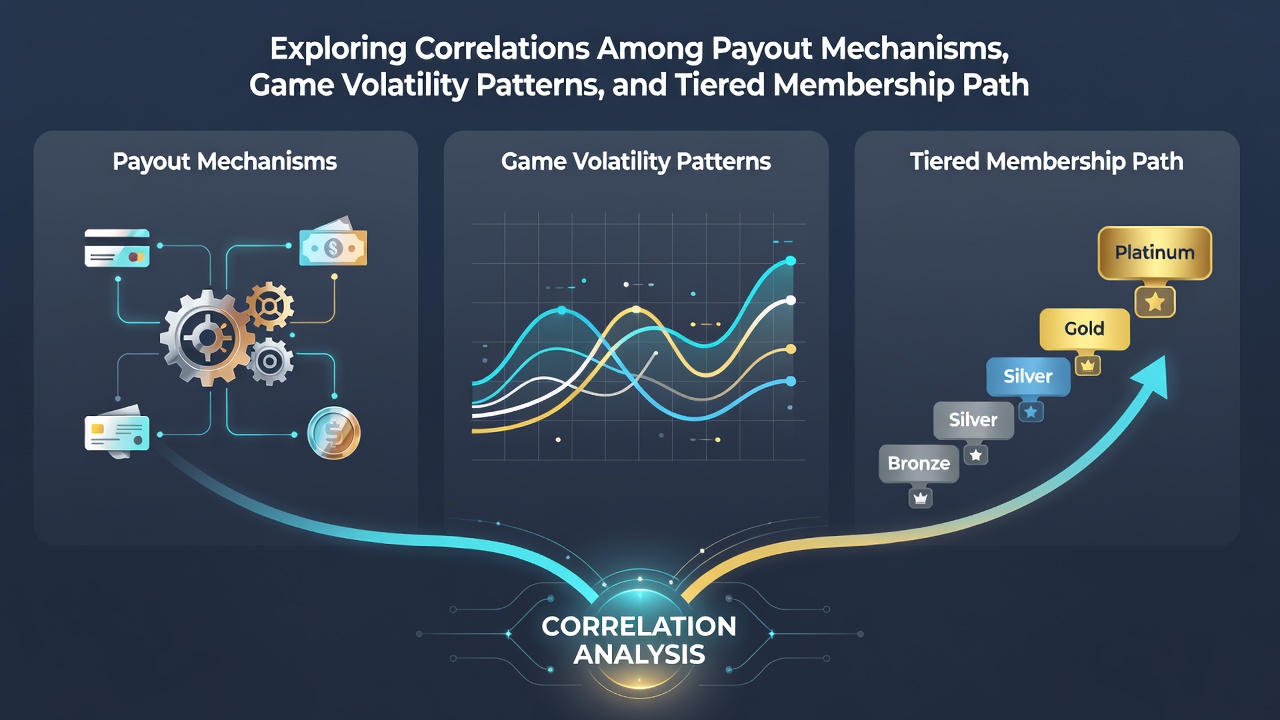
Analyses of aggregated platform statistics demonstrate that payout speed improvements accompany volatility adjustments as users advance through membership stages, and reports from the Gambling Regulatory Authority of Singapore highlight how these alignments appear in transaction logs across multiple operators. High-volatility selections tend to cluster among top-tier accounts because those pathways provide the necessary buffers for larger variance swings, while lower tiers maintain tighter controls that stabilize smaller, more frequent disbursements. What's interesting is how external factors such as regional regulations in different jurisdictions further shape these relationships, producing variations that researchers continue to map through ongoing data collection efforts.
Platform operators adjust algorithms to match payout mechanisms with volatility profiles based on tier progression, and evidence suggests these adjustments produce measurable differences in overall system efficiency. Take one case where experts found that integrating tier-specific volatility toggles reduced processing delays during high-traffic periods, demonstrating practical outcomes from the observed interconnections. Data shows that membership advancement often leads to expanded game libraries that include mixed volatility options, allowing users to calibrate their experience while maintaining access to preferred payout timelines.
Conclusion
The relationships among payout mechanisms, game volatility patterns, and tiered membership pathways form an interconnected system that influences transaction behaviors and engagement trends in smartphone wagering environments. Regulatory bodies and research institutions continue to track these dynamics through updated datasets that reflect changes in technology and user preferences throughout 2026. Those monitoring the sector recognize that continued examination of these correlations provides clearer insight into how mobile platforms evolve their structural components over time.