Intersecting Transaction Dynamics and Volatility in Tiered Digital Reward Structures
Nils Müller · Jun 15, 2026
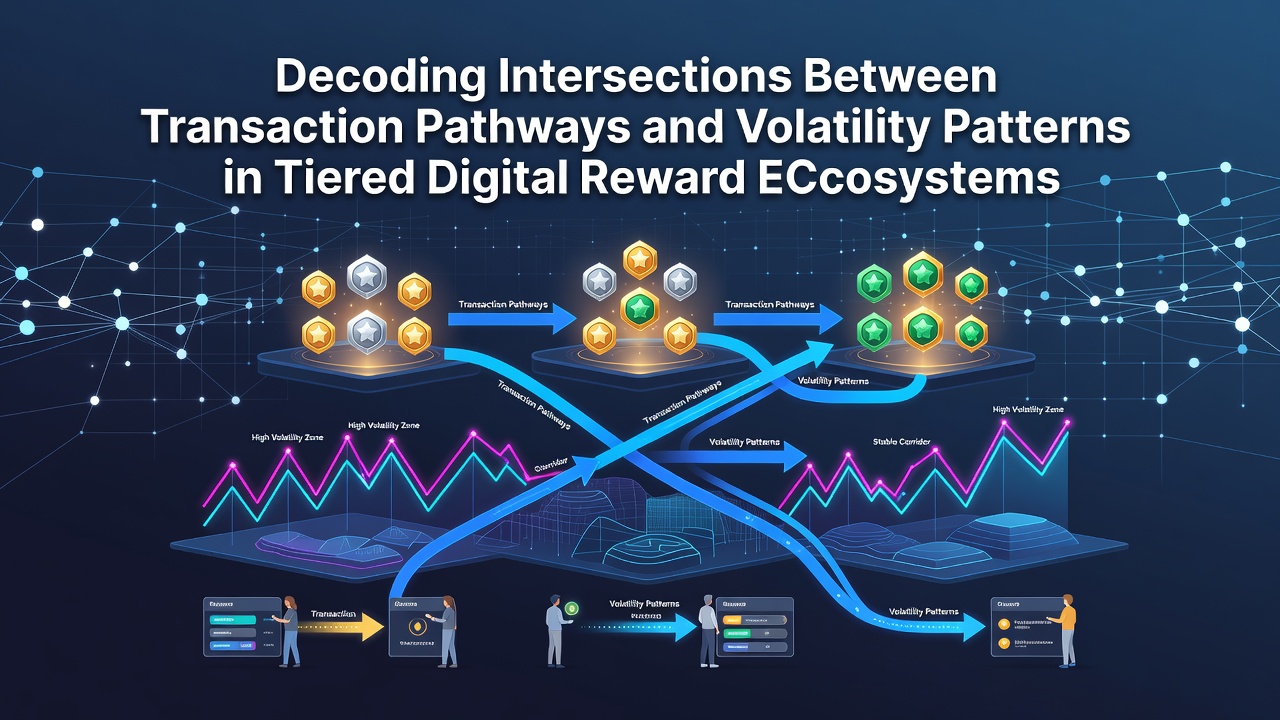
Intersecting Transaction Dynamics and Volatility in Tiered Digital Reward Structures
Transaction pathways in digital reward ecosystems connect payment methods to user accounts through multiple channels including credit cards, digital wallets, bank transfers, and emerging options like cryptocurrency, while volatility patterns reflect fluctuations in reward values, redemption rates, and tier advancement thresholds. Researchers have tracked these intersections across platforms that structure incentives in bronze, silver, gold, and platinum levels where higher tiers unlock accelerated reward accrual but also expose participants to greater swings in point valuations.
Data from industry monitoring services indicates that platforms processing over 50 million monthly transactions experience distinct volatility clusters during promotional windows, particularly when users shift between payment routes. According to reports compiled by the Federal Reserve Bank of New York, digital wallet usage in reward programs rose 18 percent between 2024 and 2025, coinciding with measurable increases in point-value variance at mid-tier levels.
Payment Route Mechanics and Their Influence on Reward Stability
Payment route selection affects reward stability because each channel carries different processing speeds, fee structures, and verification layers that interact with tier algorithms. Instant wallet transfers often bypass certain validation steps that credit card transactions require, which can accelerate reward posting but also amplify short-term volatility when mass redemptions occur. Observers note that platforms adjust volatility buffers differently depending on the dominant transaction pathway, applying tighter controls to cryptocurrency inflows while allowing broader swings for established bank-linked methods.
Studies conducted by academic teams at the University of Melbourne examined 12 tiered loyalty systems over 18 months and found that users routing payments through digital wallets encountered 23 percent higher reward-value fluctuations compared with those using direct bank transfers. The same research showed that tier advancement triggers tied to transaction volume produced sharper volatility spikes in systems where wallet payments exceeded 40 percent of total volume.
Volatility Patterns Across Tier Boundaries
Volatility tends to cluster at tier boundaries where users approach advancement thresholds, creating concentrated activity that platforms must manage through dynamic pricing of rewards. Lower tiers typically display steadier patterns because reward values remain fixed and redemption options stay limited, whereas premium tiers introduce variable multipliers that respond to real-time transaction data. Evidence from platform analytics firms reveals that volatility amplitude increases by an average of 31 percent when users cross from silver to gold tiers, especially during periods when multiple payment pathways converge on the same reward pool.
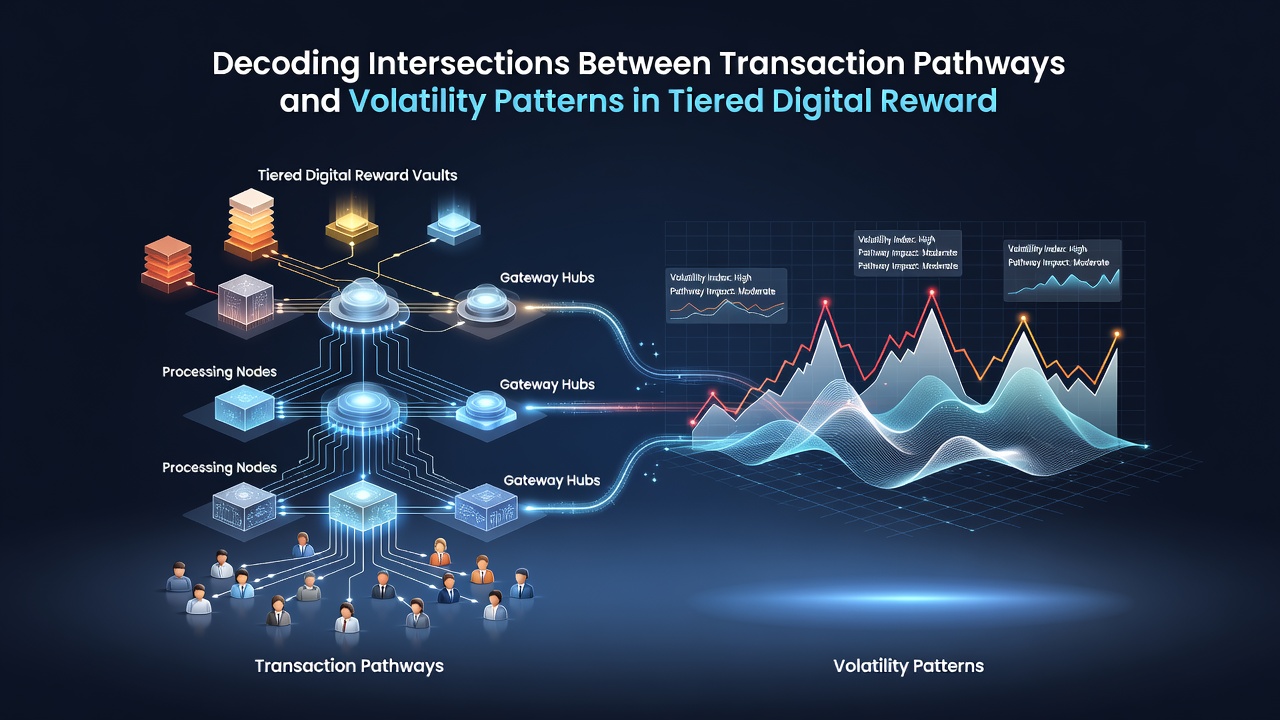
June 2026 data releases from several major platforms highlighted seasonal volatility peaks aligned with mid-year promotional campaigns, where transaction pathway diversity expanded rapidly and reward values adjusted within 48-hour windows. These adjustments followed documented patterns in which cryptocurrency routes produced the widest swings, while credit card pathways remained comparatively stable due to built-in regulatory caps on fee pass-through.
Layered Incentive Structures and Transaction Feedback Loops
Tiered systems create feedback loops because transaction volume directly feeds tier progression, which in turn modifies the volatility parameters applied to subsequent transactions. Platforms calibrate these loops using historical pathway data, applying predictive models that forecast volatility based on the proportion of wallet versus card activity within each tier. Research published by the Canadian Institute for Advanced Research demonstrates that feedback strength intensifies when more than 35 percent of transactions within a tier originate from a single pathway, leading to measurable compression or expansion of reward volatility ranges.
One documented case involved a multi-brand rewards network that rebalanced its tier thresholds after observing persistent volatility spikes linked to concentrated wallet usage at the silver level. Adjustments included pathway-specific multipliers that reduced variance without altering overall reward economics, resulting in smoother progression curves across all tiers.
Regulatory and Infrastructure Factors Shaping Intersections
Regulatory frameworks in different jurisdictions influence how transaction pathways intersect with volatility patterns by imposing reporting requirements, fee transparency rules, and consumer protection measures. The Australian Securities and Investments Commission has issued guidance requiring platforms to disclose volatility ranges associated with each accepted payment method, prompting several operators to publish tier-specific volatility indexes. Similar requirements emerging in Singapore and the European Union have led platforms to segment their reward pools by pathway type, thereby isolating volatility effects within narrower user segments.
Infrastructure upgrades such as faster settlement rails and enhanced fraud detection further modulate these intersections by shortening the time between transaction initiation and reward posting. Shorter intervals reduce opportunities for external market factors to influence point values, which in turn dampens observed volatility at higher tiers where users conduct larger transaction volumes.
Conclusion
Transaction pathways and volatility patterns in tiered digital reward ecosystems interact through measurable mechanisms involving payment speed, fee structures, tier thresholds, and regulatory constraints. Data compiled through mid-2026 shows consistent correlations between pathway diversity and volatility amplitude, with distinct behaviors emerging at each tier boundary. Platforms continue to refine their models using pathway-specific analytics, producing more predictable reward environments while maintaining the incentive gradients that drive user engagement across multiple levels.