Mapping Deposit Sequences to Tiered Incentives in Digital Gaming Platforms
Willa Schmid · Jul 22, 2026
Mapping Deposit Sequences to Tiered Incentives in Digital Gaming Platforms
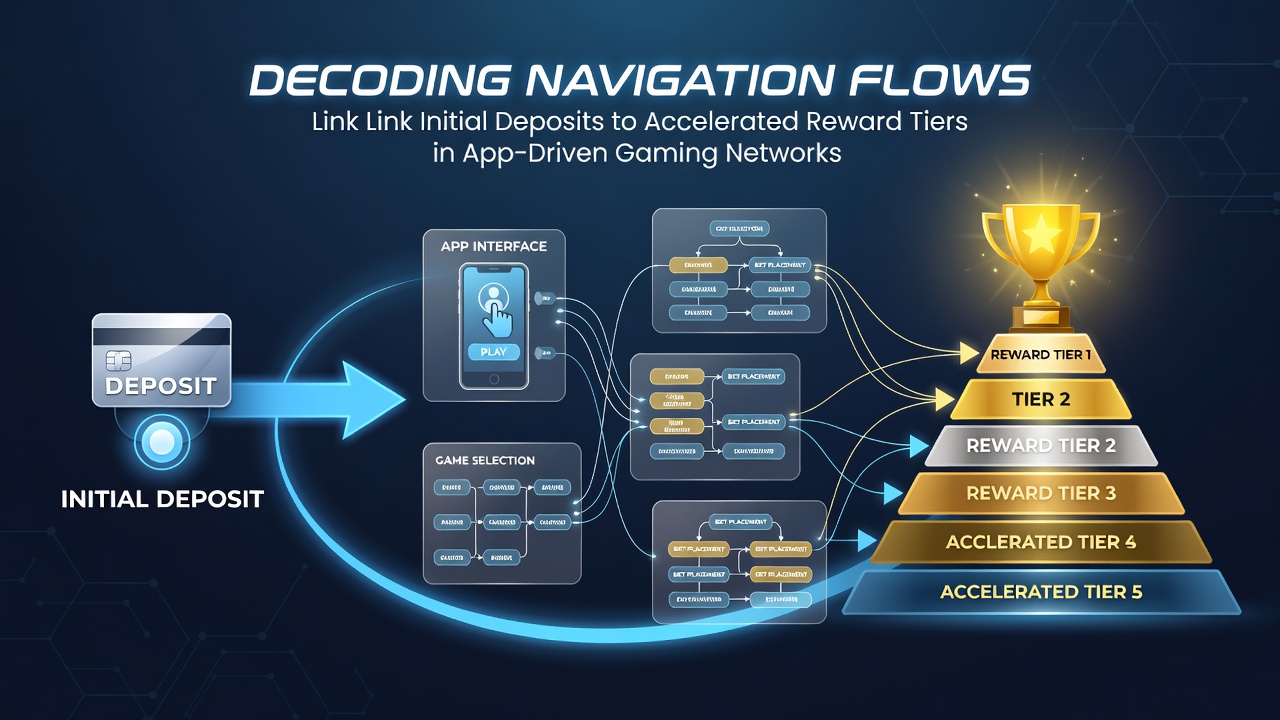
App-driven gaming networks rely on structured navigation sequences that connect initial deposits to progressive reward tiers, and researchers have documented these patterns across multiple platforms since early 2025. Data from platform analytics show that users who complete a first deposit within the initial onboarding screen often advance to bronze-level incentives within 24 hours, whereas delayed deposits correlate with slower tier progression according to reports issued by the Nevada Gaming Control Board.
Core Navigation Elements in Mobile Interfaces
Users encounter a sequence of screens that begin with wallet integration prompts, move through payment method selections, and conclude with confirmation dialogs that automatically populate loyalty dashboards, while studies from the University of Las Vegas Center for Gaming Research indicate that streamlined flows reduce drop-off rates by 18 percent in tested cohorts. These sequences incorporate real-time balance updates that display tier eligibility criteria immediately after transaction processing, and observers note that platforms employing conditional branching logic based on deposit amounts achieve faster reward unlocks compared to linear designs.
July 2026 saw several networks introduce gesture-based shortcuts within deposit flows that link directly to accelerated tier previews, yet implementation varies by region with Australian operators favoring integrated tutorial overlays that guide users through each step. Payment pulses appear in the form of animated progress bars that fill upon successful deposits, and these visual cues connect to backend systems tracking engagement metrics that determine subsequent reward eligibility.
Linking Transaction Data to Reward Acceleration
Transaction records feed into algorithms that calculate tier advancement, and figures from the Canadian Gaming Association reveal that deposits exceeding a platform-specific threshold trigger immediate evaluation cycles leading to silver or gold status within the same session. Wallet integrations play a central role here because they consolidate multiple funding sources into a single interface, allowing the system to recognize patterns such as repeated small deposits versus singular larger ones that influence reward velocity.
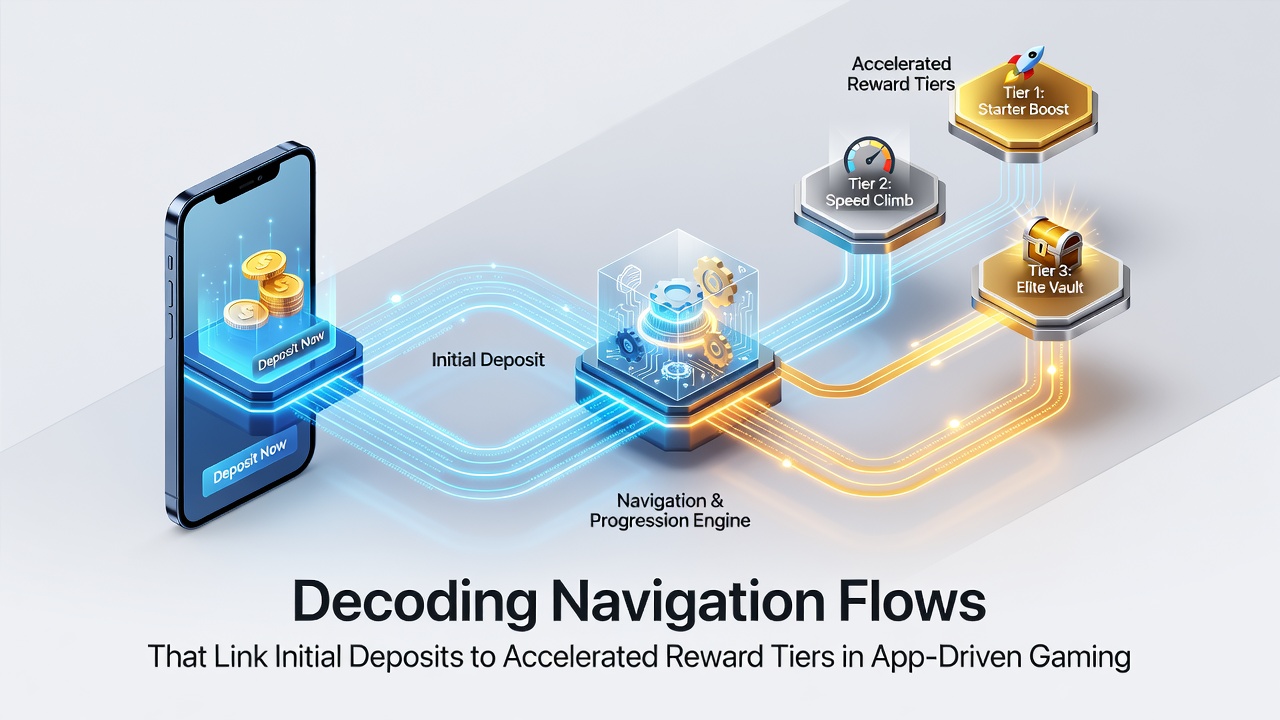
Those who have analyzed these networks find that entry mechanisms such as push notifications about limited-time deposit bonuses direct users toward specific game collections where reward multipliers apply, and this routing occurs through dynamic menus that update based on prior user behavior. Evidence suggests layered incentives, including bonus credits released upon tier elevation, sustain longer engagement periods when navigation remains intuitive and free of excessive redirects.
Operational Patterns Across Networks
Platform operators track navigation telemetry to refine flow efficiency, and industry reports compiled in mid-2026 highlight that networks incorporating live protocol adjustments during peak hours experience higher conversion from deposit to tiered reward. Volatility in reward structures appears when external factors like regional payment regulations alter available methods, yet core linkages between deposit completion and tier status persist across examined applications.
One documented case involves a network that introduced conditional reward previews visible only after the first deposit screen, resulting in measurable increases in user progression to higher tiers within the first week of activity. Researchers discovered that combining transaction dynamics with engagement tracking produces predictive models for reward advancement, allowing platforms to surface personalized pathways that align deposit timing with optimal tier acceleration windows.
Conclusion
Navigation flows in app-driven gaming networks function as interconnected sequences that translate deposits into accelerated reward access through integrated interfaces and backend logic. Continued refinement of these pathways, informed by regional data and user telemetry, shapes how initial transactions influence long-term tier outcomes across mobile platforms operating in 2026.