Mapping Funding Methods to Advancement Tracks in Mobile Casino Applications
Finley Jenkins · Aug 26, 2026
Mapping Funding Methods to Advancement Tracks in Mobile Casino Applications
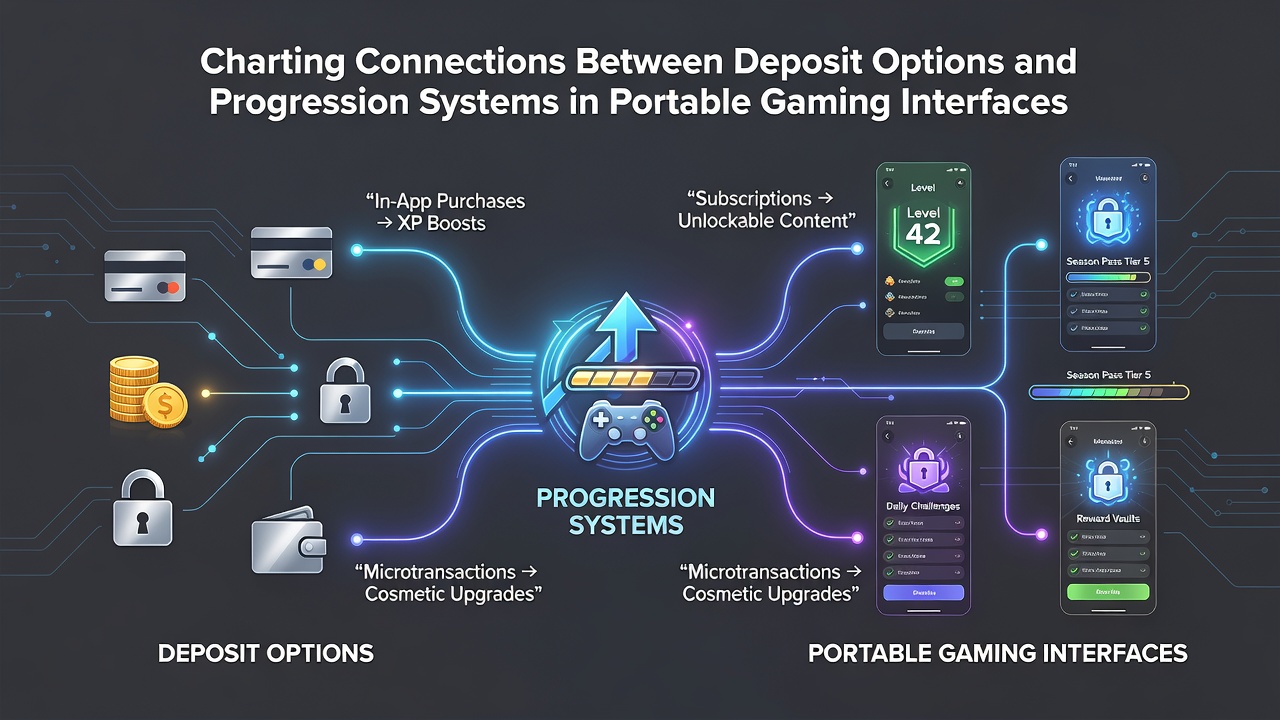
Portable gaming platforms have developed intricate ties between the ways users fund their accounts and the mechanisms that track player advancement through reward tiers, and observers note these connections shape how quickly participants move between levels while accessing new features. Data from industry reports shows that deposit methods such as credit cards, digital wallets, and bank transfers often carry different point multipliers or unlock speeds within loyalty structures, whereas cryptocurrency options sometimes accelerate progression due to faster processing times and lower fees in certain networks.
Deposit Methods and Their Built-in Tracking Features
Many mobile applications integrate payment gateways directly with engagement dashboards, which means a single transaction can trigger both balance updates and progression metrics without requiring separate inputs from the user. Researchers at various gaming associations have documented how e-wallet deposits frequently award bonus loyalty points compared to traditional card payments because the systems recognize recurring use patterns, and this setup creates measurable differences in how fast accounts climb through bronze, silver, and gold tiers. Studies indicate that platforms using layered incentive models adjust reward rates based on the payment channel selected, with some operators applying higher multipliers to instant funding sources that reduce friction during active sessions.
Progression Systems Powered by Transaction Data
Advancement tracks in these applications rely on aggregated data from deposits, bets, and cashouts to determine eligibility for exclusive tables, personalized bonuses, and accelerated cashout queues. Figures reveal that users who consistently select certain deposit options accumulate tier points at rates up to 30 percent higher than those relying on slower methods, according to metrics shared by platform operators in August 2026. The connections appear most clearly in real-time dashboards where deposit history displays alongside current level progress, allowing participants to see exactly how each funding choice contributes to unlocking the next stage of rewards.
Regional Patterns Emerging in 2026
Operators across North America and parts of Asia have reported shifts in how deposit preferences influence reward velocity following updates rolled out earlier in the year. In markets where digital wallets dominate, progression systems show tighter integration with transaction volume, which leads to faster tier movement during peak hours. Meanwhile, platforms serving European users often tie bank transfer deposits to longer-term loyalty multipliers because these methods align with regulatory preferences for traceable funding sources. One analysis from the American Gaming Association highlighted correlations between preferred payment types and average time spent advancing through VIP stages, noting that the data holds steady even when controlling for overall play volume.
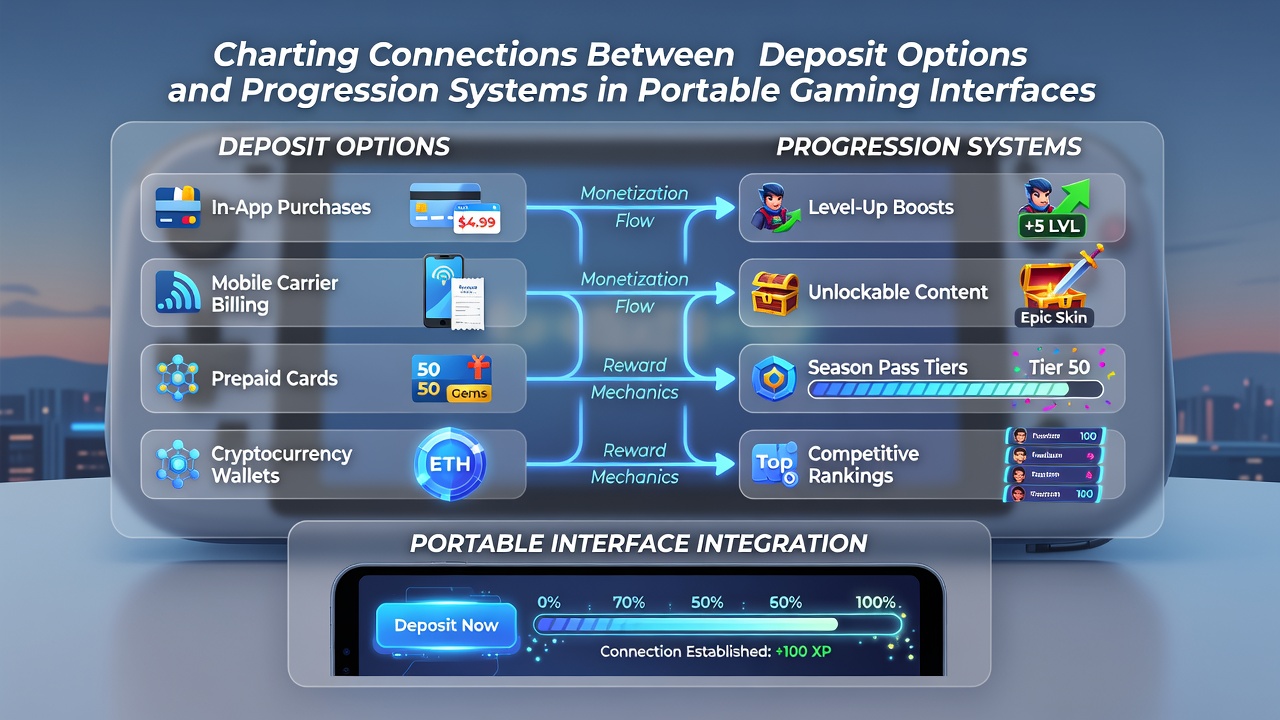
Those who've examined the backend architectures explain that API connections between payment processors and loyalty engines allow for dynamic adjustments, so a high-value deposit made through an approved channel can immediately push an account across a threshold and grant new perks. This real-time linkage reduces delays that once separated funding activity from reward recognition, and it has become standard in applications that prioritize mobile-first design. Evidence from industry reports suggests the approach improves retention because players receive visible confirmation of progress right after completing a deposit, reinforcing continued engagement with the same payment method.
Technical Integrations Driving the Connections
Developers build these systems using modular code that tags each transaction with metadata about its source, speed, and amount, then feeds that information straight into progression algorithms. The result is that deposit options no longer function as isolated tools but as active components within the broader reward framework. Observers note that when platforms introduce new payment channels, they typically calibrate the associated progression bonuses to match existing tiers, which prevents sudden imbalances in how quickly different user groups advance. Research indicates this calibration process relies on historical data sets that track millions of transactions, allowing operators to predict and adjust for patterns that emerge when users switch between funding methods mid-session.
Conclusion
The documented links between deposit options and progression systems continue to evolve as mobile platforms refine their technical infrastructure and respond to user behavior patterns observed through 2026. Platforms that maintain clear visibility between funding choices and tier advancement tend to sustain higher activity levels because the connections remain transparent and actionable. Data shared by organizations such as the American Gaming Association and the Australian Gambling Research Centre underscores how these integrations affect overall system efficiency without altering core gameplay mechanics. As more applications adopt unified tracking layers, the relationship between transaction methods and reward movement is expected to grow even more direct and measurable.