Payment Channel Dynamics and Reward Unlocks in App-Based Gaming Networks
Leon Sullivan · Jul 29, 2026
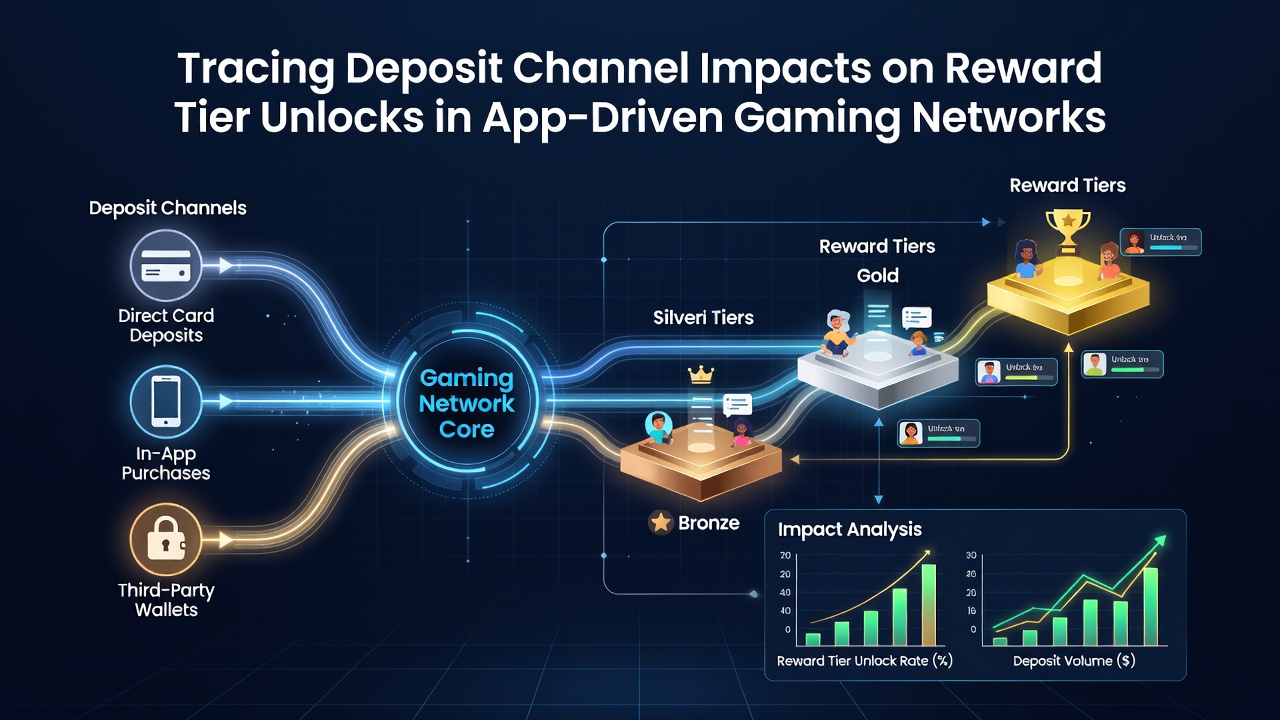
Payment Channel Dynamics and Reward Unlocks in App-Based Gaming Networks
Payment channels in app-driven gaming networks operate through distinct pathways that directly shape how users advance through reward tiers, with each method carrying specific processing rules, verification steps, and integration points that platforms track in real time. Researchers have documented these patterns across multiple markets, noting that credit card deposits often trigger immediate tier eligibility checks while e-wallet transfers may require additional confirmation layers before reward systems register the activity.
Core Mechanisms Linking Deposits to Tier Progression
App-based platforms maintain backend ledgers that log deposit volume, frequency, and source type, then apply these metrics against tier thresholds established by operators. Data from industry monitoring shows that direct bank transfers frequently accelerate unlocks for mid-level rewards because they bypass certain intermediary fees that slow other channels, whereas cryptocurrency deposits sometimes encounter variable confirmation times that delay tier advancement by hours or days. Observers note that loyalty algorithms weigh not only total amounts but also channel consistency, rewarding users who maintain steady patterns through preferred methods.
Regional Data Patterns Emerging in Mid-2026
Figures released in July 2026 by the Malta Gaming Authority indicated that mobile gaming applications recorded a 14 percent increase in reward tier activations tied to e-wallet deposits compared with the same period in 2025, while credit card activity remained stable. Similar tracking by the Nevada Gaming Control Board highlighted how in-state mobile platforms adjusted tier criteria to accommodate faster crypto settlements, resulting in quicker progression for users who selected those channels. These reports demonstrate that regulatory bodies continue to monitor how payment preferences influence engagement metrics without prescribing specific unlock formulas.
One study published in the Journal of Gambling Studies examined transaction logs from several app networks and found that users who alternated between two or more deposit methods experienced slower tier progression on average than those who standardized on a single channel. The research attributed this outcome to the way systems assign weighted values to consistent funding sources, treating them as stronger indicators of sustained activity.
Integration Points and Algorithmic Weighting
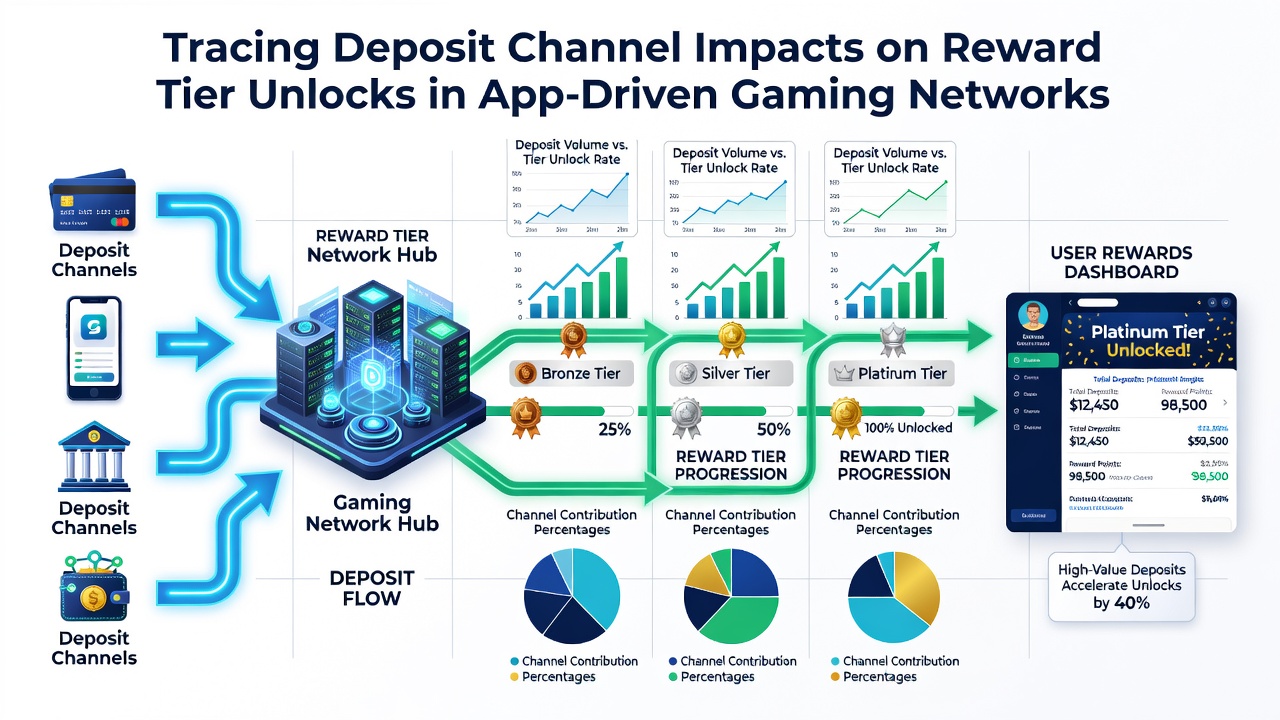
Developers embed channel-specific flags into reward engines so that each deposit type feeds distinct variables into the tier calculation. For instance, platforms may assign higher multipliers to deposits completed through integrated banking apps because they reduce chargeback risks, while third-party voucher redemptions receive lower multipliers due to verification overhead. Those who have analyzed large datasets note that seasonal campaigns sometimes temporarily alter these weights, creating short windows where certain channels unlock higher tiers more readily than others.
Application programming interfaces between payment processors and gaming servers transmit metadata that includes timestamps, currency conversion rates, and user verification status, all of which feed into automated tier reviews. When these reviews occur at fixed intervals, deposits arriving just before the cutoff receive immediate consideration, whereas those processed afterward shift to the next cycle. Industry reports confirm that users who understand these timing mechanics often time their deposits accordingly to optimize progression speed.
Examples from Operational Platforms
Take one network that introduced tiered bonuses for users depositing exclusively through a partnered e-wallet service. Internal metrics showed that participants reached the third reward level 22 percent faster than those using mixed channels during the same three-month window. Another case involved a platform that adjusted its crypto deposit weighting after observing extended settlement delays during high-volume periods, resulting in revised tier rules that accounted for average confirmation times rather than treating all deposits equally.
Conclusion
Payment channel selection continues to function as a measurable variable within reward tier systems across app-driven gaming networks. Regulatory data and academic analyses released through 2026 illustrate consistent correlations between deposit methods and unlock timing, with operators refining their algorithms to reflect actual transaction behaviors. These patterns remain subject to ongoing adjustments as platforms respond to both technological changes and regulatory oversight in different jurisdictions.