The Interplay of Reward Mechanisms and Browsing Patterns in Smartphone-Based Betting Systems
Nils Müller · Aug 5, 2026
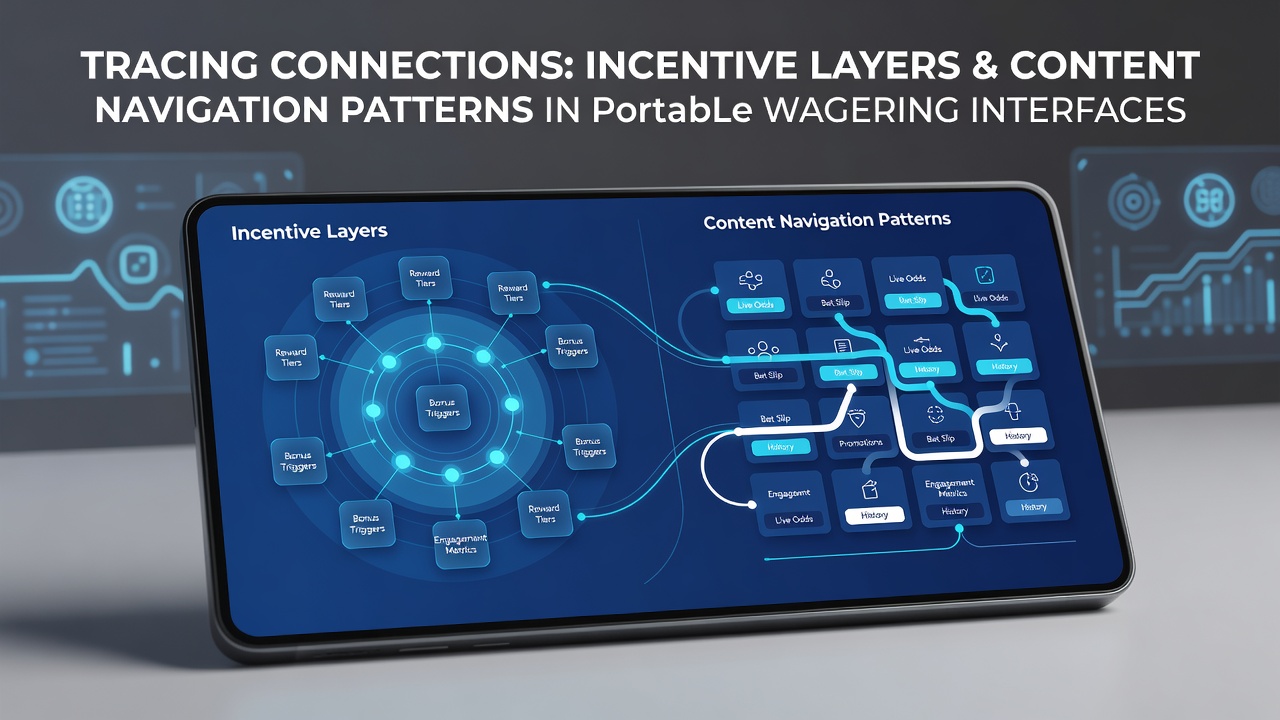
The Interplay of Reward Mechanisms and Browsing Patterns in Smartphone-Based Betting Systems
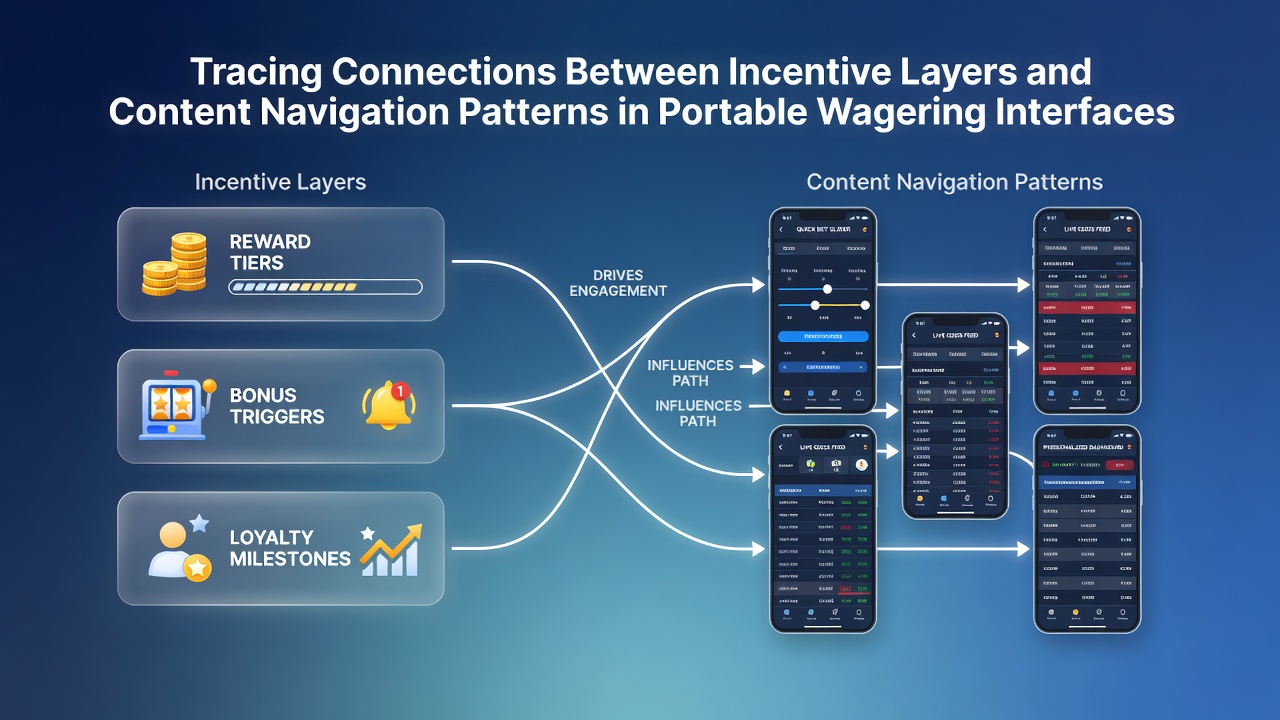
Portable wagering interfaces organize content through layered reward structures that shape how users move between sections, and data collected across multiple platforms shows clear patterns in these movements. Incentive layers typically include welcome bonuses, daily login rewards, tiered loyalty points, and targeted promotions that appear at different depths of the app menu, while navigation patterns track paths from home screens to game libraries, account dashboards, and withdrawal sections. Research from industry monitoring groups indicates that users who engage with entry-level incentives tend to follow shorter paths to featured games, whereas those who unlock higher tiers explore broader collections before settling on specific titles.
Layer Definitions and Their Placement in App Architecture
Incentive layers sit at distinct levels within the interface hierarchy, and operators position entry rewards near initial login screens while reserving advanced benefits for deeper menu areas that require multiple clicks or scrolls to reach. Studies on user session data reveal that immediate rewards placed on the landing page increase the likelihood of quick transitions into slot or table game sections, while cumulative point systems encourage repeated visits to profile areas where progress bars and tier upgrades display. Observers note that this placement creates predictable loops where users return to the same navigation routes to claim or track rewards, and platform analytics from August 2026 showed consistent spikes in profile page views on days when new tier announcements appeared.
Observed Navigation Sequences Tied to Specific Incentives
Users who receive personalized bonus notifications often move directly from push alerts to the promotions tab, bypassing the main game grid in many recorded sessions, and this shortcut behavior appears more frequently among those who have already reached mid-level loyalty status. Data from app telemetry indicates that navigation to live dealer areas increases when cashback incentives are highlighted in the rewards center, yet the same users may take longer routes through search filters when hunting for games that meet wagering requirements. One analysis of session logs found that participants who interacted with multi-stage incentive offers spent additional time in the help and terms sections before proceeding to gameplay, a pattern that repeats across different device types and operating systems.
Geographic variations also surface in the data, with platforms serving North American markets showing stronger connections between deposit-match incentives and direct links to banking screens, whereas European and Australian operators report higher engagement with navigation trees that lead through game categories first. Reports compiled by the National Council on Problem Gambling highlight how these route preferences can shift when operators adjust visibility of certain incentive layers, and similar findings appear in documentation from the New Zealand Department of Internal Affairs regarding mobile session structures.
Technical Factors That Reinforce or Alter These Connections
App design elements such as persistent bottom navigation bars, collapsible side menus, and in-app search bars interact with incentive visibility to either streamline or complicate user paths, and developers adjust these components based on heat-mapping of click sequences. When incentive banners occupy prominent header space, users show reduced use of the main search function and instead follow visual cues toward promoted content, according to internal platform metrics shared in industry briefings. Conversely, when rewards appear only after users complete certain navigation steps, session recordings demonstrate increased use of filters and category tabs to locate qualifying games. These technical choices produce measurable differences in time spent per screen and in the frequency of back-button usage across user cohorts segmented by incentive engagement levels.
Data Patterns From Recent Platform Monitoring
August 2026 figures from multiple mobile operators indicated that sessions involving at least one incentive layer interaction averaged 18 percent more screen transitions than non-incentivized sessions, with the majority of additional steps occurring between the rewards dashboard and the game lobby. Aggregated reports further show that users progressing through successive loyalty tiers gradually shift their navigation emphasis from promotional areas toward personalized recommendation carousels, a change that coincides with higher retention rates in longitudinal tracking. Such shifts appear consistent regardless of whether the underlying platform uses native iOS or Android frameworks, suggesting the patterns stem more from incentive architecture than from device-specific controls.
Conclusion
Connections between incentive layers and content navigation in portable wagering interfaces emerge through repeated measurement of user paths, and platform data continues to map these relationships across regions and device types. Operators refine placement and visibility of rewards based on observed sequences, while external analyses from regulatory and research bodies supply additional context on how these dynamics operate within broader mobile environments. The resulting patterns provide concrete information on how reward structures guide movement through app features without relying on subjective interpretation of user intent.