Tracing Wallet Integrations and Their Effects on Feature Unlocks Across App-Based Reward Tiers
Sofia Schwarz · May 27, 2026
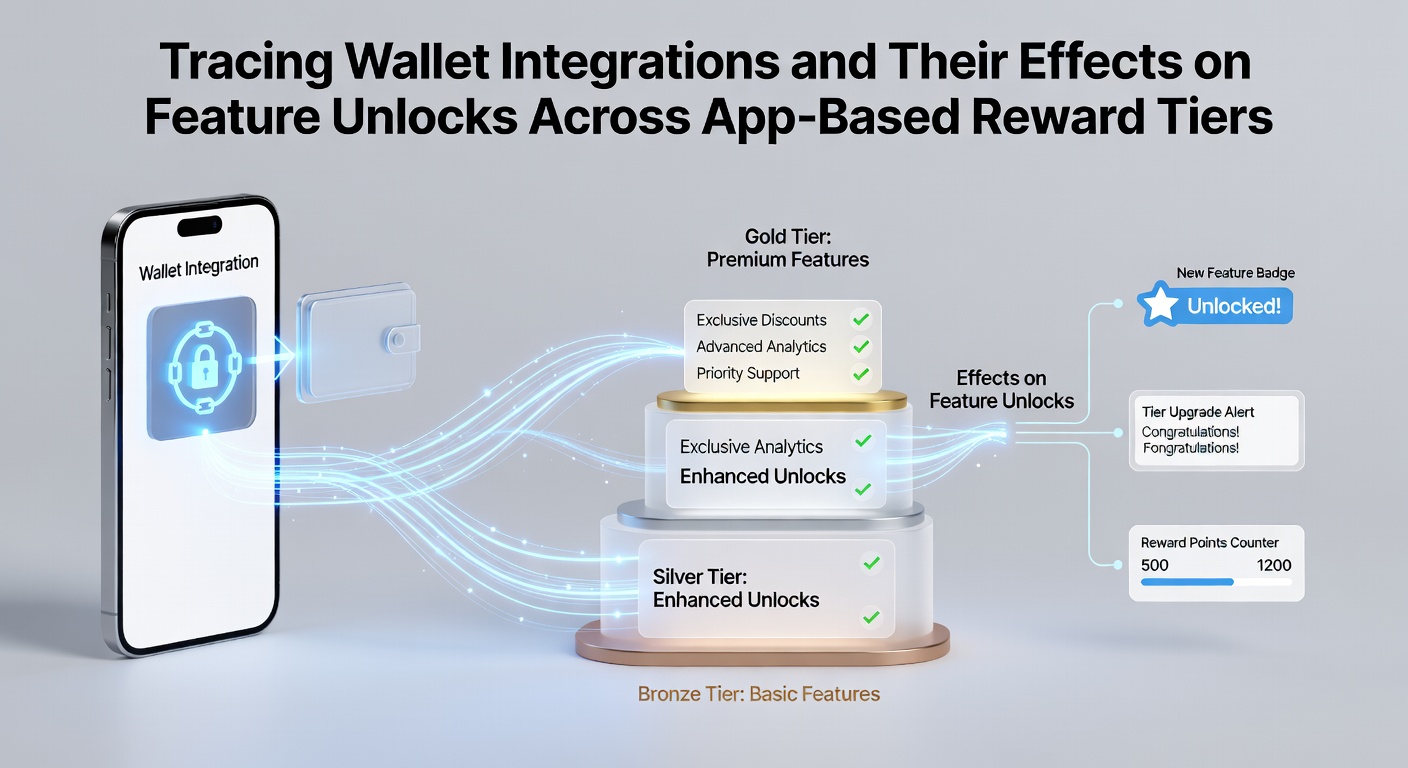
Tracing Wallet Integrations and Their Effects on Feature Unlocks Across App-Based Reward Tiers
Digital wallet integrations have reshaped how mobile applications manage reward tiers since the early 2020s, and data from industry analyses in May 2026 shows continued expansion in this area. Companies connect payment systems such as Apple Pay and Google Wallet to their apps, which allows users to complete transactions while simultaneously tracking activity that contributes to tier progression. This process unlocks additional features once certain thresholds are met, including bonus points, priority access, and customized offers.
Core Mechanisms Behind Wallet Connections
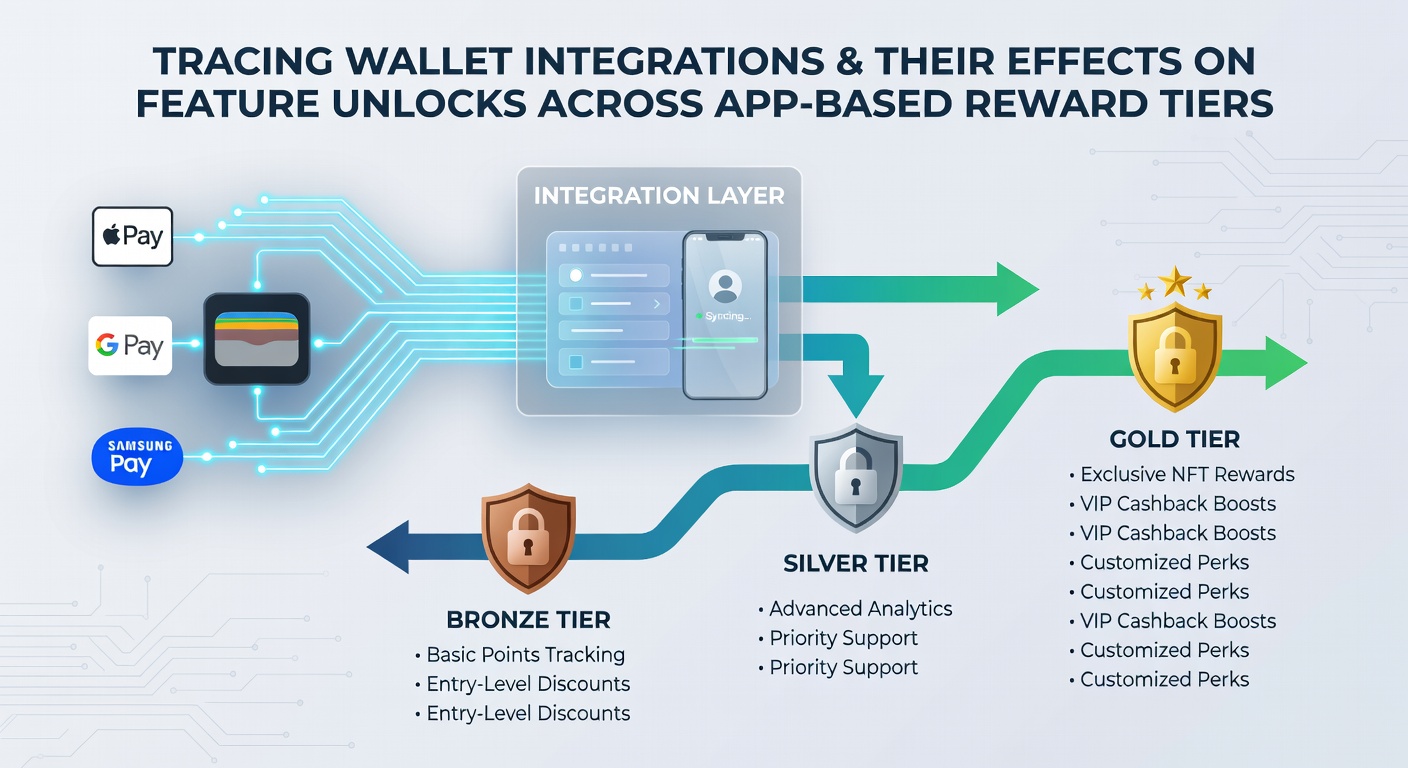
Developers embed APIs from wallet providers into their platforms so transaction data flows directly into reward algorithms without manual input from users. When someone links a wallet, the app records purchase amounts, frequency, and merchant categories, which feed into tier calculations. Research indicates that seamless data transfer reduces friction and increases the likelihood of sustained engagement across multiple sessions.
Security protocols play a central role in these setups because encrypted channels protect sensitive financial details during each sync. Observers note that apps adopting multi-factor authentication alongside wallet links experience fewer account issues, which in turn supports reliable feature unlocks at higher reward levels. Those who've examined backend logs report that transaction verification times average under three seconds when integrations follow current standards.
Tier Progression and Unlocked Capabilities
Entry-level tiers often activate after initial wallet linkage and a modest number of tracked transactions, granting basic perks such as standard point multipliers. Mid-tier access typically requires consistent activity over several months, at which point apps release options like expedited redemptions or expanded merchant networks. Advanced tiers demand higher spending volumes or diversified transaction types, and they deliver premium benefits including personalized dashboards and early access to limited promotions.
According to reports compiled by the Consumer Financial Protection Bureau in the United States, apps with integrated wallets show measurable differences in user retention rates between tiers compared to systems relying on manual entry methods. Figures reveal that users reaching mid-tier status through automated tracking maintain activity 40 percent longer on average than those without wallet connections. This pattern holds across retail, travel, and service-based applications that employ similar structures.
Regional Variations in Implementation
European Union directives on open banking have encouraged broader wallet compatibility since updates took effect in 2024, allowing apps to pull verified transaction histories from multiple financial institutions. In contrast, Australian frameworks emphasize consumer consent layers that require explicit approval before data sharing occurs, which influences how quickly users advance through reward stages. Canadian regulatory bodies have introduced guidelines that focus on transparency around fee structures tied to wallet-linked redemptions, affecting the perceived value of unlocked features at each tier.
What's interesting is how these regional rules shape feature availability without altering the underlying integration technology. One study from a research institution in Singapore found that apps operating under stricter consent rules still achieve comparable unlock rates when they provide clear in-app explanations of data usage. The same analysis highlighted that users in regions with streamlined verification processes tend to explore advanced tier benefits sooner.
Data Flow and Analytics Influence
Analytics engines process wallet-derived information alongside behavioral signals such as session duration and in-app navigation patterns. This combined dataset determines when a user qualifies for the next tier and which specific features become available upon unlock. Developers adjust weighting factors periodically to reflect changing user habits, which can shift the balance between transaction volume and engagement metrics.
Industry organizations tracking mobile commerce note that apps using real-time analytics report faster tier advancements during promotional periods. For instance, campaigns that align wallet transactions with bonus multipliers produce spikes in feature unlocks within days rather than weeks. Those monitoring these trends emphasize that transparent communication about how data influences progression helps maintain user trust throughout the process.
Future Outlook as of Mid-2026
Projections shared by technology research groups suggest continued refinement of wallet protocols, particularly around cross-platform compatibility and instant verification. Emerging standards aim to reduce latency in data syncing, which could accelerate feature unlocks even further. Observers expect apps to introduce tier-specific tools that leverage wallet data for predictive offers tailored to individual spending rhythms.
Academic papers published through university partnerships continue to examine long-term effects on consumer behavior, with preliminary findings pointing to increased diversification of transaction types once higher tiers are reached. These studies draw from anonymized datasets spanning multiple continents and provide benchmarks that developers consult when updating their reward structures.
Conclusion
Wallet integrations have become a standard component in app-based reward systems, directly affecting how users move between tiers and access associated features. Data from regulatory agencies and research institutions demonstrates consistent patterns in progression speed and retention across different regions. As implementations evolve through 2026 and beyond, the core relationship between seamless payment connections and tier-based unlocks remains central to platform design.