Transaction Speed Effects on Reward Structures in Virtual Gaming Platforms
Sofia Schwarz · Jun 29, 2026
Transaction Speed Effects on Reward Structures in Virtual Gaming Platforms
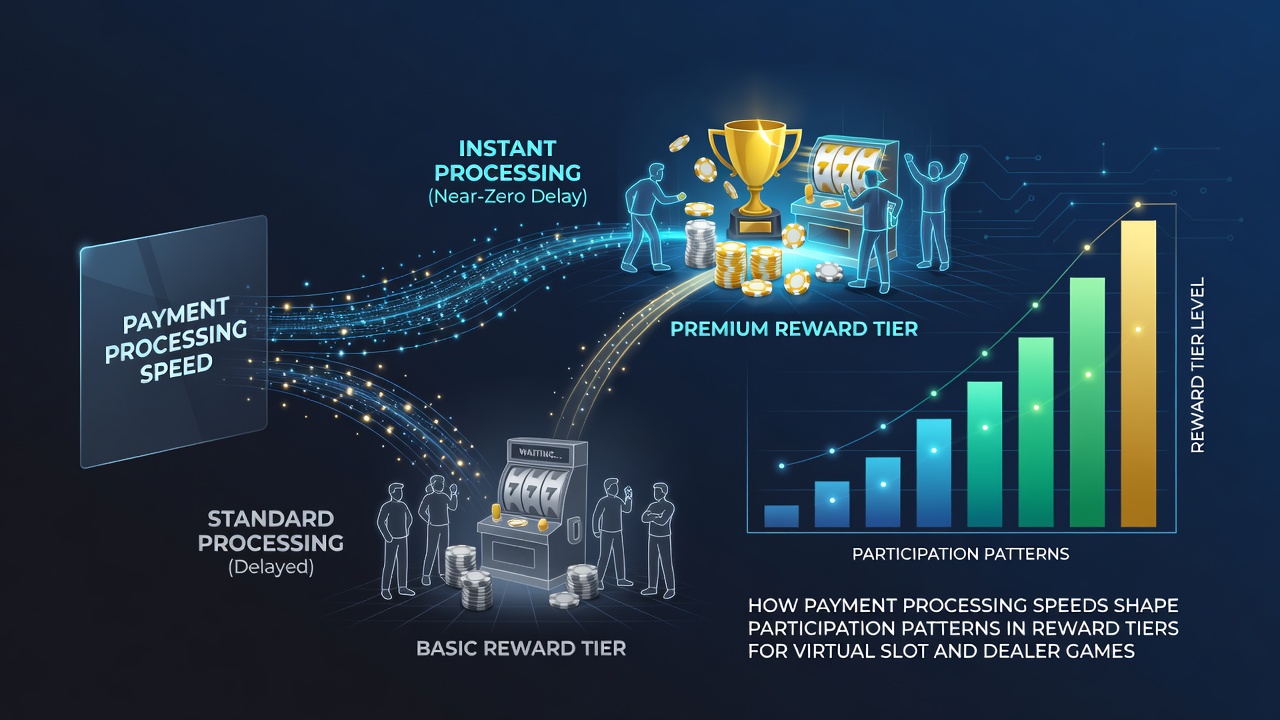
Payment processing speeds determine how quickly players advance through reward tiers in virtual slot and dealer game environments, and data from multiple markets shows clear correlations between transaction velocity and participation rates. Faster approvals for deposits allow immediate re-entry into high-volume sessions, while delayed withdrawals create friction that slows point accumulation and tier progression.
Mechanics Linking Processing Times to Tier Advancement
Virtual platforms track player activity through integrated systems that convert bets, wins, and session durations into loyalty points, and transaction speed directly influences how often those conversions occur. When deposits clear in under 30 seconds, users maintain momentum across consecutive games, whereas processing windows stretching into minutes interrupt flow and reduce total wagers placed within a single login period. Observers note that reward algorithms weight recent activity heavily, so even brief delays compound into measurable drops in tier eligibility.
Studies conducted across European and North American operators reveal that platforms offering instant payment rails record higher percentages of players reaching mid-tier status within the first 30 days of enrollment. These systems integrate banking APIs that verify funds in real time, eliminating the multi-hour holds common in older processors. In contrast, slower gateways correlate with lower repeat engagement rates, particularly among users targeting exclusive dealer game tables that require elevated point thresholds.
Patterns Observed in Slot Game Participation
Slot titles operate on rapid spin cycles that reward continuous play, and payment speed shapes how players distribute their activity across different machines. Quick deposits enable seamless movement between low-volatility and high-volatility options without exiting the app, which accelerates point totals needed for silver and gold tiers. Figures released in June 2026 by the Asia Pacific iGaming Association indicate that operators with sub-10-second processing times see slot players advancing tiers 18 percent more frequently than those relying on traditional card rails.
Participation data further shows that instant confirmation reduces abandonment during bonus round sequences, allowing users to complete required wagering multipliers before session timeouts. Those who experience processing lags tend to consolidate activity into fewer, shorter sessions, limiting exposure to progressive jackpot machines that contribute bonus points toward platinum status.
Influence on Live Dealer Game Engagement
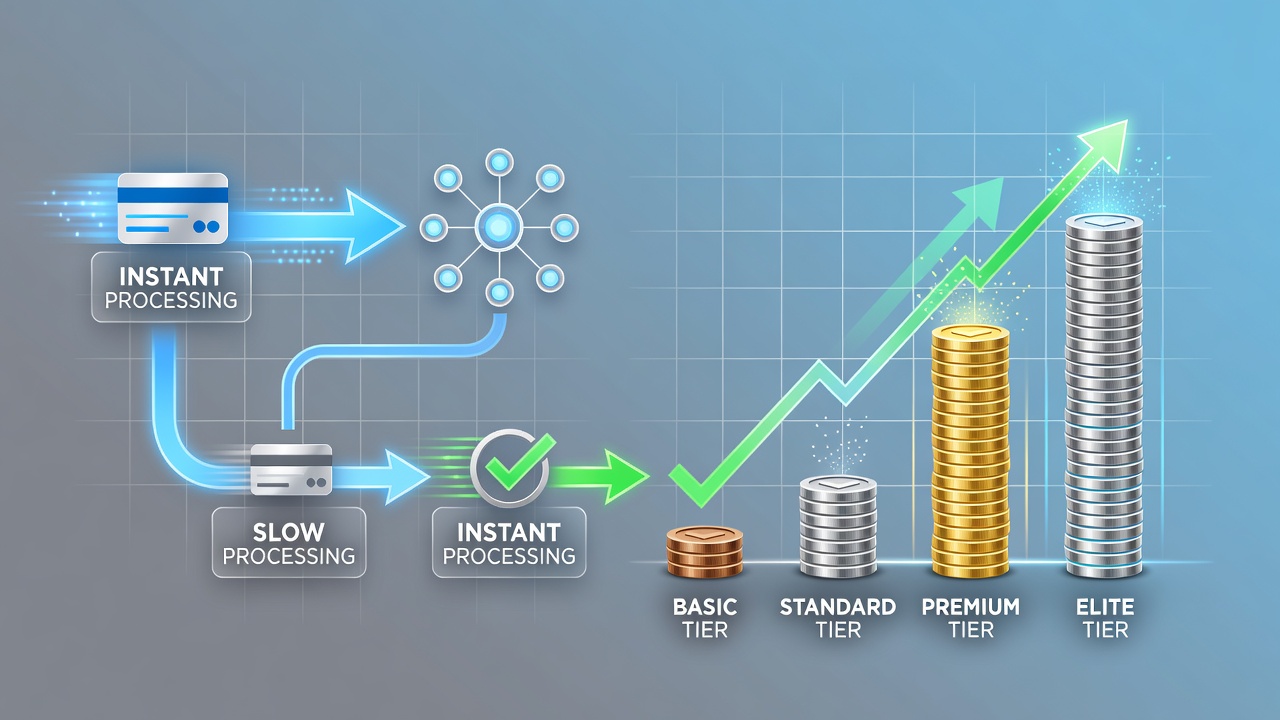
Dealer games introduce additional variables because table minimums and seat availability often tie to loyalty tiers, making processing speed a gatekeeper for access. Players seeking entry into high-stakes blackjack or roulette rooms must first accumulate points through consistent wagering, and delays in funding accounts create gaps between sessions that reset activity streaks. Research from the University of Nevada Reno Gaming Innovation Lab demonstrates that platforms reducing withdrawal verification from hours to seconds record greater retention in VIP dealer sections, where table limits scale with tier level.
Live environments also feature real-time chat and tipping mechanics that feed into reward calculations, yet these features remain underutilized when players must pause to confirm transactions. Operators report that faster processing correlates with extended table residency times, increasing both point accrual and interaction metrics that feed algorithmic tier promotions.
Regional Data and 2026 Trends
Canadian provincial regulators published aggregated figures in early 2026 showing that provinces with mandated instant payment options experienced steeper growth curves in reward tier enrollment compared with regions maintaining legacy verification periods. Similar patterns appear in Australian market reports, where operators adopting open banking rails noted accelerated movement into top reward brackets among mobile users. These shifts occur because reduced friction allows players to respond immediately to time-limited tier challenges that combine slot volume with dealer game participation quotas.
Industry analysts tracking June 2026 transaction logs observe that platforms combining cryptocurrency options with traditional rails achieve the widest spread of tier distribution, as multiple speed tiers accommodate different player preferences without forcing uniform processing windows.
Conclusion
Payment processing velocity functions as a structural variable that modulates how users interact with reward architectures across slot and dealer inventories. Faster systems support denser session patterns and quicker tier climbs, while slower ones create measurable drop-offs in sustained participation. Operators continue refining API integrations to align transaction times with the demands of real-time gaming environments, and ongoing data collection from multiple jurisdictions will further clarify these relationships in subsequent reporting periods.