Wallet Integration Methods Driving Reward Tier Variations in Mobile Casino Applications
Leon Sullivan · Jun 17, 2026
Wallet Integration Methods Driving Reward Tier Variations in Mobile Casino Applications
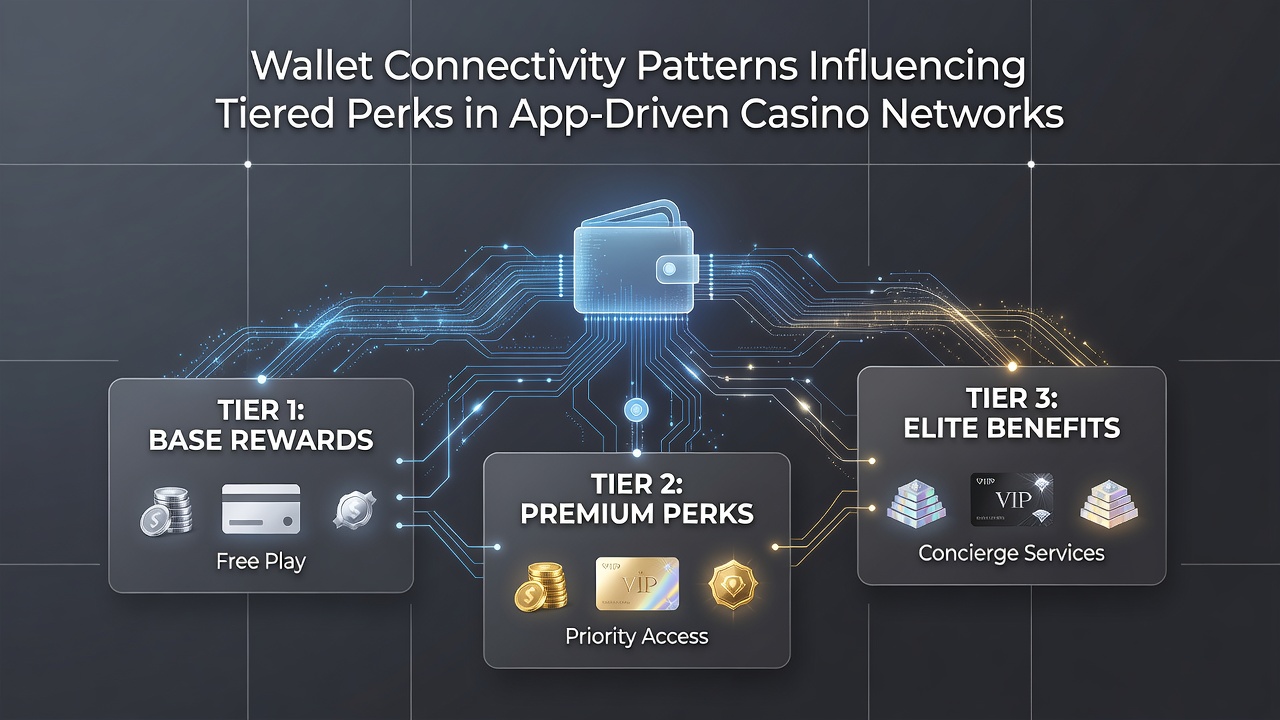
App-driven casino networks rely on specific wallet connectivity patterns to determine how players advance through reward tiers, and these patterns shape everything from initial onboarding to advanced perk access. Research from the University of Nevada Reno shows that seamless API linkages between digital wallets and gaming platforms accelerate tier progression by reducing transaction friction during deposit and withdrawal cycles.
Connectivity speed matters because platforms measure response times in milliseconds, and users who connect via direct API protocols often reach higher tiers faster than those relying on third-party bridges. Data indicates that direct connections cut processing delays by up to 40 percent in controlled tests conducted across North American networks during early 2026.
Direct API Links Versus Aggregated Bridges
Direct API connections allow real-time balance verification and instant perk calculations, whereas aggregated bridges introduce additional verification layers that slow reward distribution. Observers note that players using direct links receive tier upgrades within the same session, while bridge users sometimes wait for batch processing at midnight server times. The Nevada Gaming Control Board tracks these differences through mandatory reporting on transaction latencies, and figures from May 2026 reveal consistent patterns where direct connections correlate with higher average tier levels.
Security protocols embedded in each method further influence outcomes. Direct APIs often incorporate multi-factor authentication tied to device biometrics, which platforms reward with bonus multipliers once tiers advance. Aggregated bridges rely on token-based handoffs that platforms monitor for risk, and this monitoring sometimes delays perk activation until compliance checks complete.
Regional Regulatory Influences on Connectivity Standards
European regulators in Malta require standardized wallet interfaces for all licensed operators, and these rules standardize how connectivity patterns affect tier calculations. Canadian provincial authorities in Ontario have adopted similar guidelines that emphasize transparent data flows between wallets and reward engines. Studies conducted by the Canadian Gaming Association indicate that standardized interfaces lead to more predictable tier advancement rates across user cohorts.
In June 2026, several platforms updated their systems to comply with new cross-border data rules, and these updates altered how wallet types map to perk eligibility. Players connecting through European-regulated wallets now see faster recognition of loyalty points compared with those using unregulated bridges, according to compliance reports filed with the Malta Gaming Authority.
Transaction Volume Thresholds and Tier Unlocks
Many networks set tier thresholds based on cumulative transaction volume processed through connected wallets. High-frequency connectors reach platinum or diamond levels after smaller total volumes because platforms factor in connection reliability as a weighting variable. Lower-frequency users must compensate with larger single transactions to achieve the same tier status.
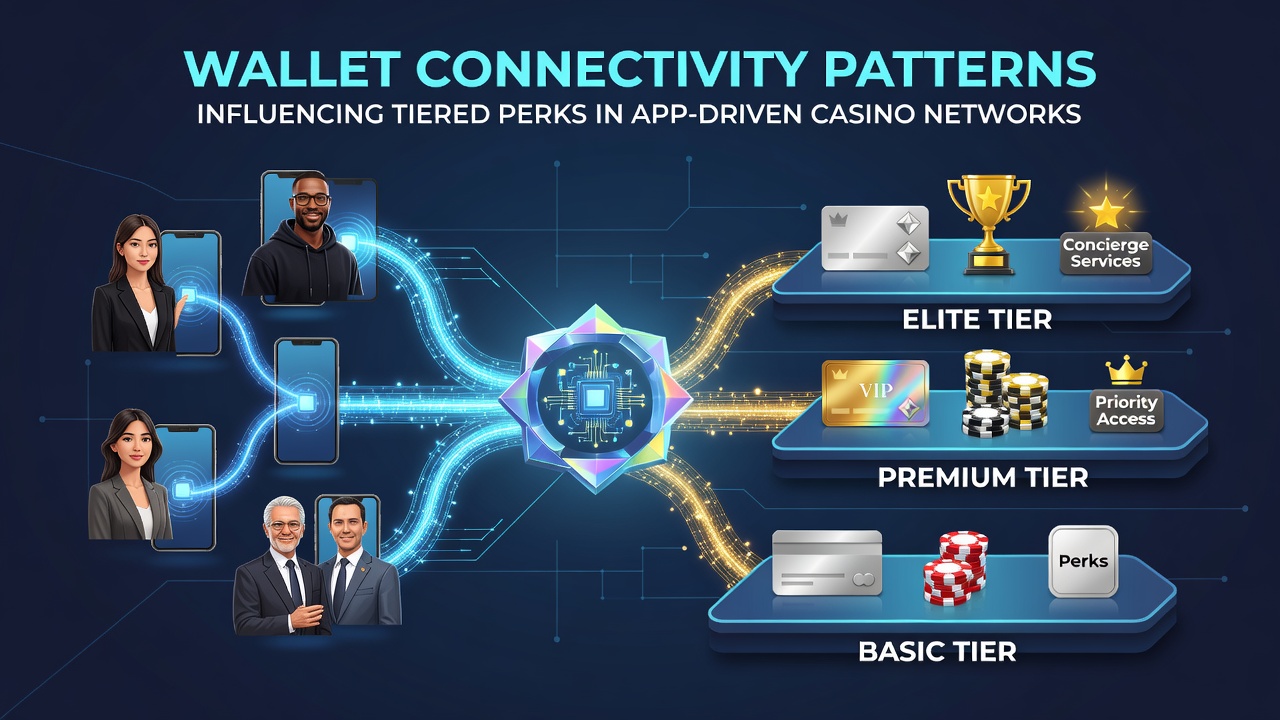
Case examples from Australian operators demonstrate this effect clearly. One operator adjusted its algorithm in 2025 to reward consistent direct connections with a 15 percent reduction in required volume for each tier jump. Subsequent data showed a measurable shift in user distribution toward higher tiers among direct connectors, while bridge users remained concentrated in entry-level bands.
Device Ecosystem Effects on Perk Delivery
Wallet connectivity also intersects with device ecosystems. iOS users experience tighter integration through native wallet APIs, which platforms leverage to deliver instant notifications about tier progress and available perks. Android users connecting through similar native tools receive comparable benefits, yet cross-platform users sometimes encounter synchronization gaps that delay perk visibility.
These gaps matter because time-sensitive rewards, such as accelerated cashback rates or exclusive event access, depend on real-time tier status. Research published by the International Gaming Institute at the University of Macau highlights that synchronization delays reduce the effective value of higher-tier perks when connectivity patterns fail to maintain continuous data streams.
Future Adjustments in Connectivity Frameworks
Industry reports project continued refinement of connectivity standards through 2027, with emphasis on reducing bridge dependency. Platforms that prioritize direct API adoption report higher retention among advanced-tier users, and this trend aligns with broader data collection efforts by regulatory bodies in multiple jurisdictions.
Conclusion
Wallet connectivity patterns determine the speed and reliability of tier advancement in app-driven casino networks, and evidence from regulatory filings, academic studies, and operational data shows consistent correlations between connection methods and perk accessibility. Direct integrations tend to accelerate reward recognition, while aggregated approaches introduce measurable delays that affect user progression across tiers. Continued standardization efforts across regions are expected to further clarify these relationships as networks refine their systems.